 العربية
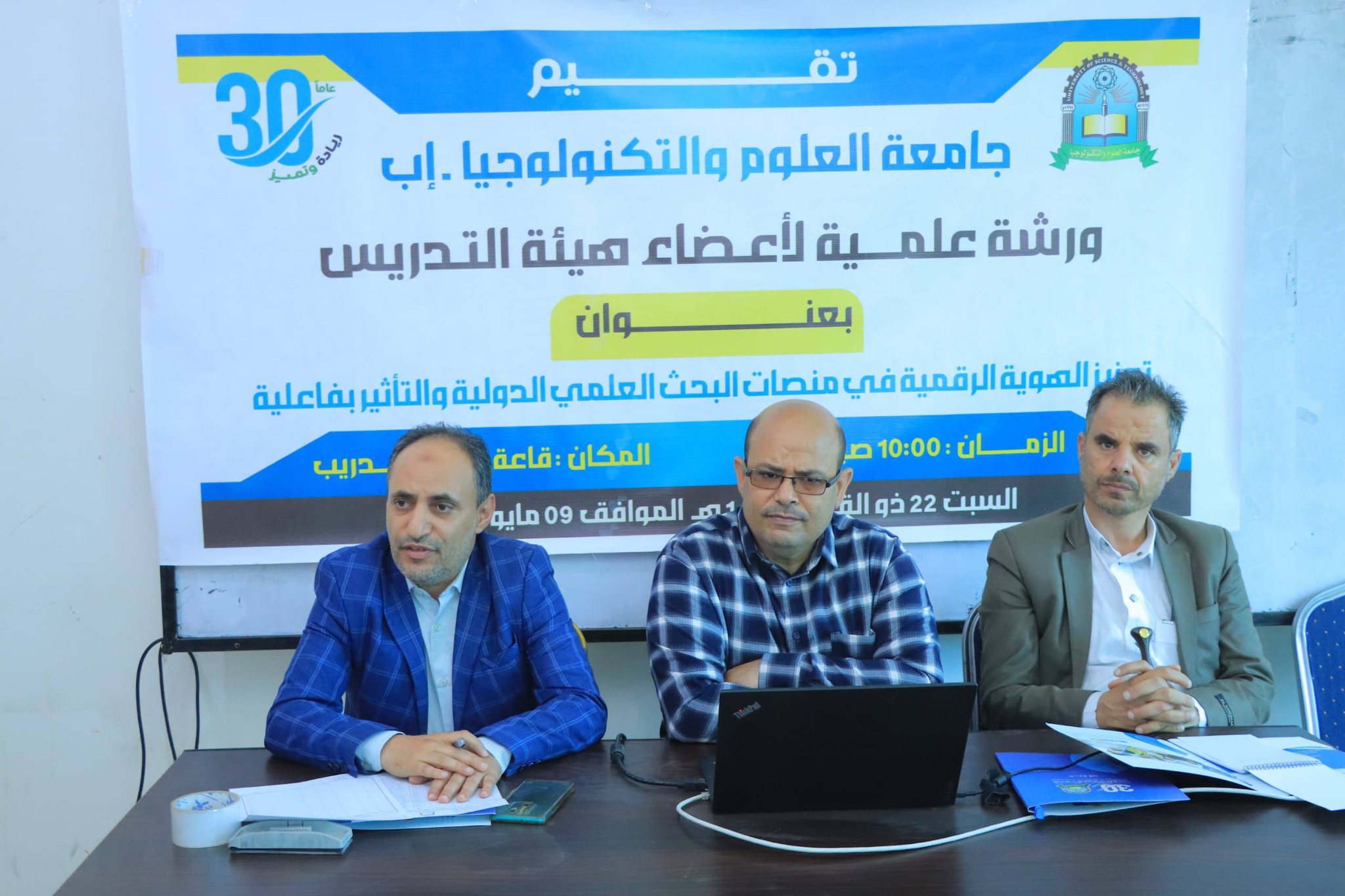
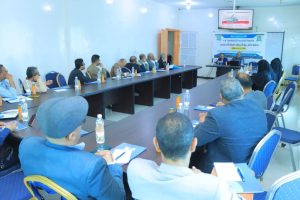
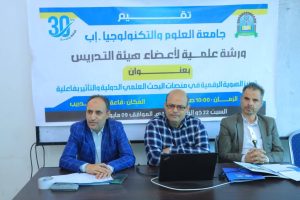
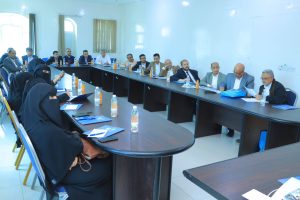
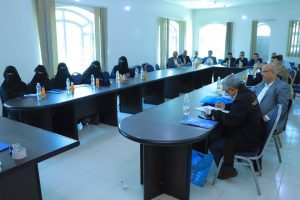
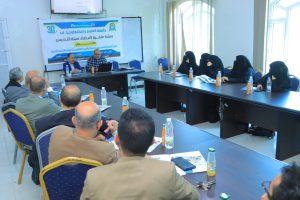
Ibb – As part of its ongoing efforts to enhance academic ranking and elevate its global scientific presence, the UST Ibb Branch organized a specialized scientific workshop on enhancing researchers’ digital identity. The event witnessed wide participation from faculty members and academic leadership, aiming to develop researchers’ skills in building a professional digital presence on international scientific platforms and boosting the university’s research impact.
Scientific Workshop to Enhance Global Academic Presence
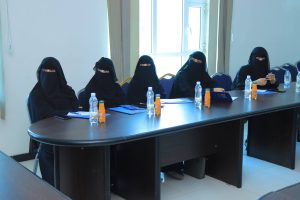
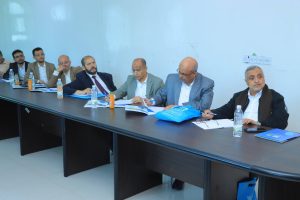
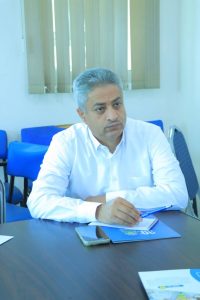
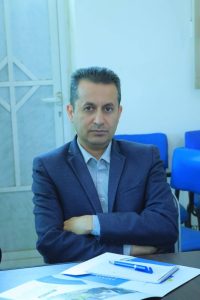
The workshop was attended by branch director Dr. Makram Al-Jamali, deputy branch director Dr. Bader Al-Farah, alongside heads of academic departments and an elite group of faculty members and researchers, reaffirming the university’s commitment to developing its research environment and international academic standing.
This workshop is part of a series of qualitative programs implemented by the university to elevate the competencies of its academic staff and align its research outputs with modern global standards.
Importance of Researchers’ Digital Identity
The workshop emphasized that academic digital identity has become one of the most critical requirements for international university rankings due to its direct role in:
-
Raising researchers’ scientific visibility
-
Increasing research citation rates
-
Improving the university’s academic ranking
-
Enhancing international research collaboration opportunities
-
Supporting grant and postgraduate studies opportunities
It also highlighted that documented scientific presence on global research platforms has become a key criterion in measuring the quality of research output and academic impact.
Branch Director: Digital Presence is a Strategic Necessity
In his opening speech, branch director Dr. Makram Al-Jamali stressed that building a researcher’s digital identity is no longer optional, but a strategic necessity dictated by global university ranking standards.
He explained that active presence on platforms such as:
-
Google Scholar
-
ResearchGate
-
Scopus
-
ORCID
-
Web of Science
represents a primary indicator for measuring research productivity and the scientific impact of universities. He added that every scientific citation or download of a published paper under the university’s name directly contributes to raising its ranking and enhancing its global academic presence.
Workshop Themes and Content
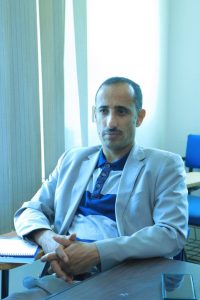
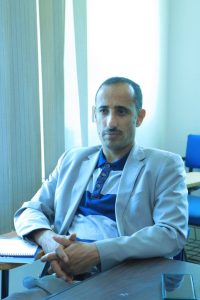
The workshop was overseen and presented by Dr. Radwan Shaddad, head of the cybersecurity program at the branch, who delivered a comprehensive practical presentation outlining the roadmap for building researchers’ academic digital identities.
Key themes included:
-
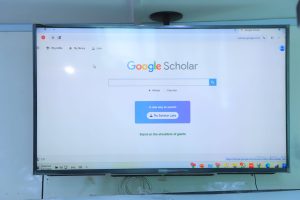
Creating a professional profile on Google Scholar
-
Utilizing official institutional university emails on research platforms
-
Linking ORCID with Scopus platforms
-
Monitoring H-index and i10-index metrics
-
Documenting research and linking it to the university name
-
Managing academic profiles professionally
The workshop also highlighted the importance of uploading permitted copies of scientific research to increase reading rates and research citations.
University Email as the Foundation of Academic Identity
Dr. Radwan Shaddad emphasized that the institutional university email represents the official identity of the academic researcher, noting that most global databases and platforms rely on it to verify institutional affiliation.
He underscored the importance of:
-
Activating the university email
-
Using it in all academic correspondence
-
Registering with it on global research platforms
as it serves as the essential link between the researcher and the academic institution.
Integration Among Global Research Platforms
The workshop addressed the significance of integration across various academic platforms, with Dr. Shaddad explaining that:
-
ORCID links with Scopus
-
Scopus feeds into Google Scholar
-
The university email unifies the digital academic identity
This integration creates a powerful digital footprint for researchers, increasing their scientific visibility and raising citation rates.
The University’s Role in Supporting Scientific Research
This workshop falls within the framework of UST Ibb Branch efforts to:
-
Foster a culture of scientific research
-
Develop faculty capabilities
-
Improve the university’s academic ranking
-
Support international scientific publishing
-
Align the university with global academic standards
contributing to the realization of the university’s vision toward excellence and leadership.
Academic Interaction and Insightful Interventions
The workshop witnessed extensive scientific engagement from participants. Faculty members raised numerous questions and contributions regarding the development of scientific research tools and the enhancement of academic digital presence, enriching the discussion and facilitating the exchange of scientific expertise.