

 العربية
 - Preparing and training students with the knowledge, skills, competencies, and values required to practice the pharmacy profession with distinction.
- Promoting excellence in student support, investing in university facilities, adopting modern technologies, and achieving quality standards in teaching and learning.
- Enhancing the efficiency of faculty members and encouraging them to conduct outstanding scientific research.
The department’s organizational structure consists of the Head of Department, who chairs the Academic Department Council, followed by the Academic Coordination Committee, laboratory supervisors, and the Training and Examination Committee.
- Organic and Analytical Chemistry Unit
- Pharmaceutical Chemistry Unit
- Pharmaceutics Unit
- Pharmacognosy Unit
🔷 Department Secretary”
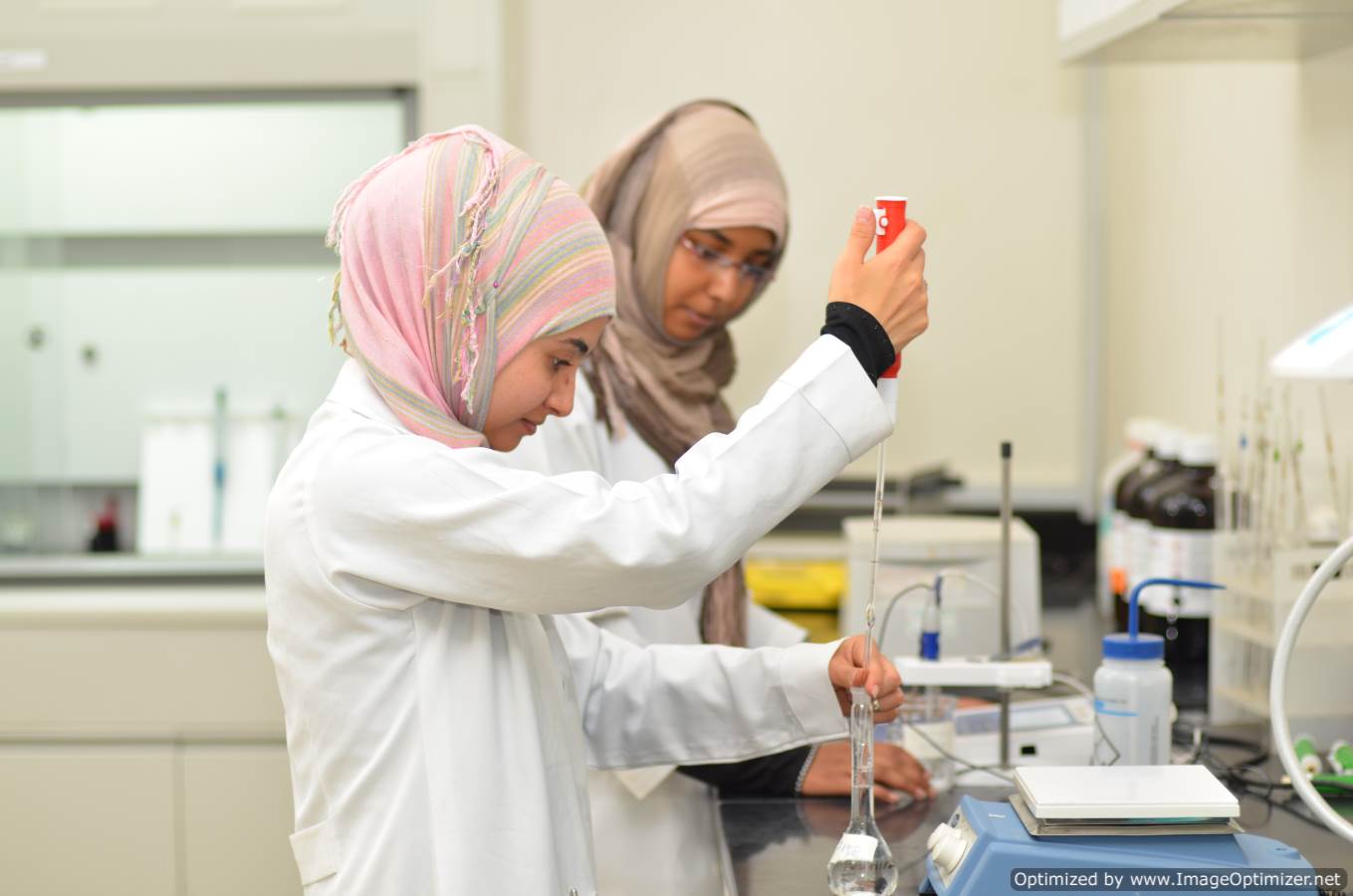
Academic Programs
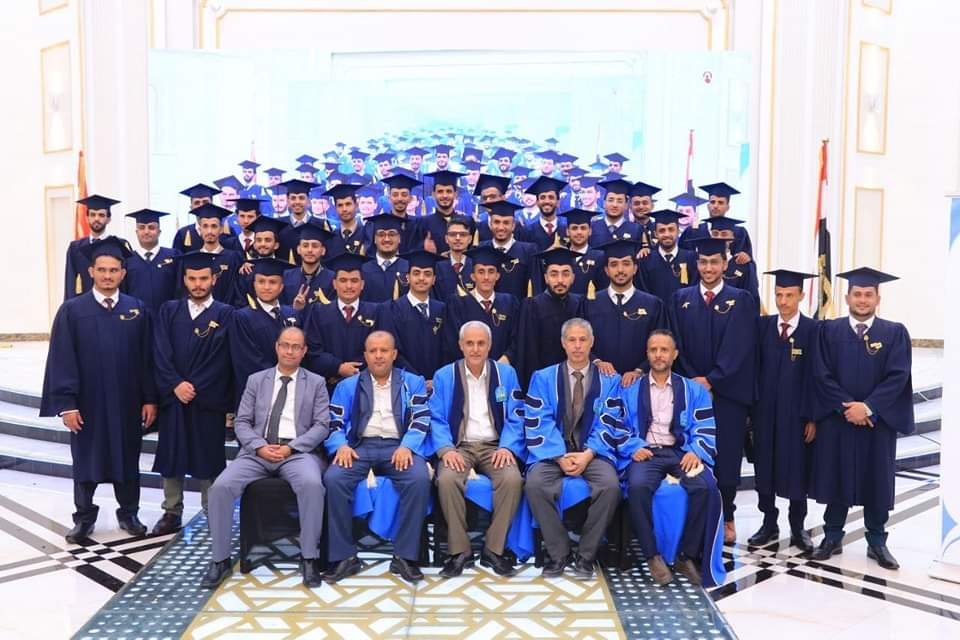
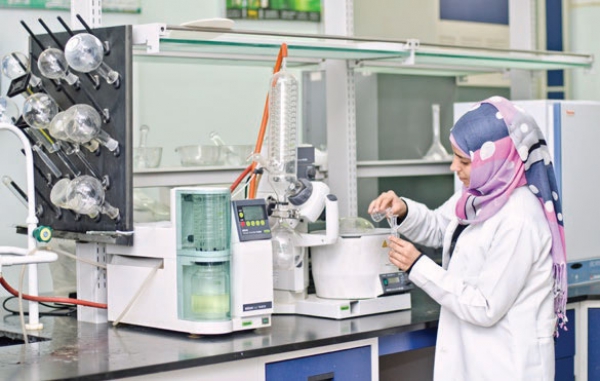
Scientific research
The Department of Pharmaceutical Sciences focuses on scientific research across several key fields, including:
- Pharmaceutics
- Pharmaceutical Chemistry
- Pharmacognosy
- Instrumental Analysis and Quality Control.
Faculty of Pharmacy Facilities
The Faculty of Pharmacy comprises a comprehensive range of advanced educational and training facilities that align with the latest academic standards. These include:
Classrooms:
The faculty features modern classrooms equipped with high-resolution displays, data projectors, and internet-connected computers, alongside appropriate ventilation systems to ensure a comfortable educational environment for both students and faculty members.
Educational and Research Laboratories:
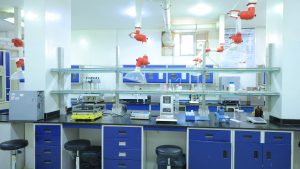
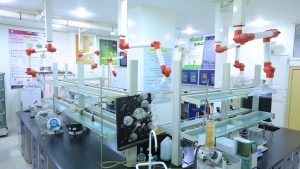
The faculty houses a variety of specialized laboratories dedicated to teaching and scientific research. Fully equipped with all necessary modern apparatuses and instruments, these labs meet the academic requirements of students and researchers alike.
Examples include: The Pharmaceutical Research Center, Pharmacology and Medicinal Chemistry Lab, Pharmacognosy Lab, and Pharmaceutics Lab.
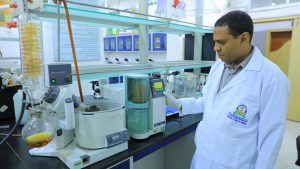
Model Educational Pharmacy:
A model pharmacy has been established to facilitate the practical training of students in advanced pharmacy practice skills, within an environment that closely simulates real-world professional settings.
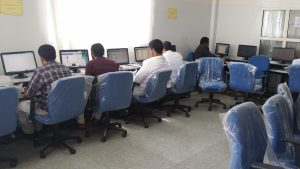
Computer Laboratories:
The faculty includes modern computer labs designed to refine students’ technical skills and empower them to acquire the essential digital competencies required for their academic and professional journeys.
Meeting Rooms:
Two meeting rooms are available within the faculty. The first is dedicated to the meetings of the Deanship and scientific departments, while the second is allocated for academic departments and faculty committees.
Academic Staff Offices:
The faculty features independent, well-equipped offices for academic staff, providing an optimal work environment for faculty members to efficiently perform their academic and administrative duties.
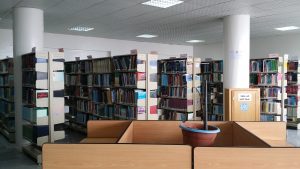
The Library:
In coordination with the library administration, the faculty management continuously provides core references, books, scientific materials, and various periodicals to support the educational process and fulfill academic accreditation standards. Additionally, the faculty’s library offers electronic learning resources to enhance educational and research activities, such as e-books, alongside access to specialized electronic search engines to further assist researchers and students.
Male Students’ Library:

Female Students’ Library:
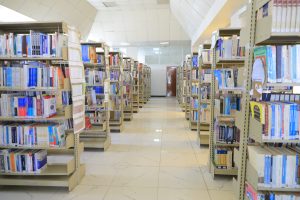
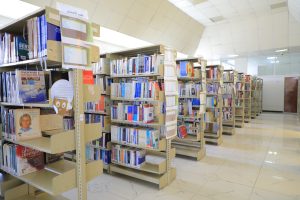
Moreover, the faculty benefits from shared sports facilities within the broader university campus, available to all university students, such as the indoor gymnasium.
Male Students’ Gymnasium:
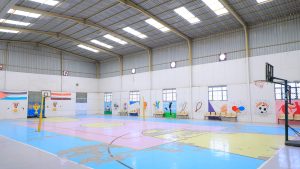
Female Students’ Gymnasium:
Furthermore, main prayer rooms (Musallas) are conveniently distributed across the various floors of the building to accommodate students and staff.
📚 Research & Graduation Projects
Pharmacy Students – Academic Year 1447 AH / 2025‑2026 AD
| No. | Project Name | Students | Supervisor |
|---|---|---|---|
| 1 |
Formulation And Evaluation Of Wound Healing Activities Of Citrullus colocynthis Herbal Topical Cream in rats
Abstract Background Wound healing is a complex biological process and an ongoing challenge in medical practice. Bitter melon (Citrullus colocynthis) is widely used in traditional medicine, but its standardized pharmaceutical formulation requires further investigation. |
Bashar Jarash, Iyad Al-Jarrafi, Taha Jumaan, Bilal Al-Arka, Ismat Al-Shabati | Dr. Ruwaida Al-Badani |
| 2 |
Evaluation Of Antimicrobial Effect Of Ethanolic Extract Of Juniperus procera On Selected Microorganism
Abstract Skin infections caused by bacterial and fungal microorganisms represent a common health problem and pose increasing therapeutic challenges due to antimicrobial resistance. Medicinal plants have gained attention as alternative sources of antimicrobial agents. Juniperus procera, a medicinal plant traditionally used for treating various diseases, was evaluated in this study for its antimicrobial potential. ... (full abstract available on hover) |
Zainab Hajar, Salma Ishaq, Walaa Al-Wajih, Asmaa Al-Ghaili, Afraa Al-Sami | Dr. Ruwaida Al-Badani |
| 3 |
In Vitro Antibacterial and Antifungal Activities of Essential Oils from Pimpinella anisum, Foeniculum vulgare, and Thymus vulgaris
Abstract Background: The escalating global threat of antimicrobial resistance has intensified the search for effective plant-derived alternatives. This study evaluates the antimicrobial efficacy of essential oils from P. anisum, F. vulgare, and T. vulgaris, both individually and in combination, against key clinical pathogens. ... (full abstract on hover) |
Wadhah Ali Al-Harbi, Omran Abdulrahman Al-Hilali, Mohammed Abdel Salam Mohammed Hassan, Mohammed Hafiz Qassim Al-Kholidi, Abdulhakim Taher Abdo Salman | Dr. Sama Al-Aghbari |
| 4 |
Knowledge and Attitudes of Pharmacy Students about Pharmacogenomics Among Universities in Sana'a city, Yemen
Abstract Background: Pharmacogenomics (PGx) is a cornerstone of personalized medicine, enabling the optimization of drug therapy based on individual genetic variations. However, little is known about the preparedness of pharmacy students in Yemen to apply PGx in future clinical practice. ... (full abstract on hover) |
Abdulrahman Al-Mansoori, Sadiq Ziyad, Shehab Alhetar, Abdulrahman Adnan | Prof. Gamil Qasim Othman, Prof. Faisal Al-Shormany |
| 5 |
Community Pharmacists' Perceptions and Dispensing Practices Regarding Gabapentinoids (Pregabalin and Gabapentin) Misuse and Abuse in Sana'a, Yemen
Abstract Background: Gabapentinoids (pregabalin and gabapentin) are increasingly associated with misuse and abuse worldwide. Community pharmacists play a crucial role in identifying and preventing inappropriate use; however, evidence regarding their perceptions and dispensing practices in Yemen remains limited. ... (full abstract on hover) |
Abdulrahman Hashed, Abdulhamid Al-Basha, Abubakr Saleh Al-Azizi, Hamza Mustafa Al-Hashdi, Abdulmajid Musleh Al-Shami, Ismail Yahya Hakim, Mohammed Khaled Al-Ghaimani | Dr. Abdulrazzaq Al-Khazzan, Dr. Abdulsalam Halboup |
| 6 |
Patterns of Antibiotic Prescribing and Factors Associated with Prescribing Among Hospitalized Patients in Sana'a: A Multicenter Cross-Sectional Study
Abstract Background: Inappropriate antibiotic use contributes significantly to antimicrobial resistance (AMR). Monitoring prescribing patterns and adherence to the WHO Access, Watch, and Reserve (AWaRe) classification is essential for optimizing antibiotic use. ... (full abstract on hover) |
Nour Al-Huda Al-Hadid, Hanan Aref, Ahd Tasheng, Nour Mahmoud, Fatima Al-Shaiba | Prof. Doaa Anwar, Dr. Abdulsalam Halboup |
| 7 |
Knowledge and dispensing practice of community pharmacists towards antipsychotic medicines in Sana'a city, Yemen – a cross-sectional study
Abstract Background: Community pharmacists play a vital role in ensuring the safe and rational use of antipsychotic medications. Adequate knowledge and appropriate dispensing practices are essential to optimize treatment outcomes and minimize medication-related risks. ... (full abstract on hover) |
Muhannad Al-Hababi, Suhaib Adnan, Mohammed Al-Sanea, Abu Bakr Murshid, Ali Al-Awadhi, Laith Kadhim | Prof. Doaa Anwar |
| 8 |
Assessment Of Quality Of Life And Associated Factors Among Patients Heart Failure In Sana'a Yemen
Abstract (Full abstract not provided in original data) |
Asmaa Hani Sarran, Rawa Mohammed Ghamdan, Marwa Abdulaziz Al-Jaber, Samia Mohammed Daaboush, Aya Saleh Al-Qubat | Dr. Mohammed Battah |
| 9 |
Formulation and Quality Control of Ondansetron Hydrochloride as Mucoadhesive Buccal Tablets
Abstract (Full abstract not provided in original data) |
Essra Almulaiki, Funoon A Ayash, Rowida S Ayash, Mayar Almasory, Nada A Mogalli | Dr. Abdullah Al-Jamali |
| 10 |
Formulation and Evaluation of a Argemone mexicana Fruit Extract-Based Topical Cream: A Rapid and Cost-Effective Approach
Abstract Background: Medicinal plants continue to serve as an important source of bioactive compounds with therapeutic potential. Argemone mexicana has been reported to possess significant antibacterial properties; however, its therapeutic application in topical preparations remains insufficiently explored. ... (full abstract on hover) |
Mamoun Amin Abdulwahed, Mohammed Khaled Jaadan, Zakaria Abdullatif Al-Hussam, Mohammed Khaled Al-Hafashi, Ali Ahmed Al-Rimi | Dr. Mashhour Fare |
| 11 |
HPLC Evaluation of different Brands of Folic Acid 400 mcg Tablets Available in Yemeni Markets 2026
Abstract Background: Ondansetron hydrochloride is a selective 5-HT₃ receptor antagonist widely used in the management of nausea and vomiting. However, its oral bioavailability is limited due to hepatic first-pass metabolism. Buccal drug delivery systems offer a promising alternative by bypassing this limitation. ... (full abstract on hover) |
Abdulwali Zebnullah, Shawkah Mansoor Abdullah Aloqab, Basel Nabeel Almoalemi, Mohammed Abdulkareem Almogani, Mohammed Abdullah Alhammadi | Dr. Abdullah Al-Jamali |