
 English
 برنامج بكالوريوس الصيدلة
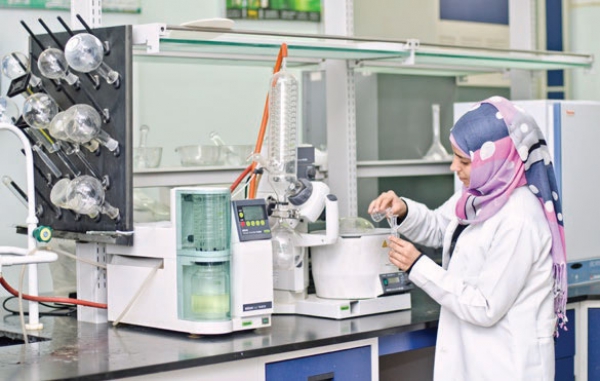
برنامج بكالوريوس صيدلة:
هو برنامج أكاديمي جامعي مركّز يهدف إلى إعداد كوادر متخصصة في المجال العلمي-التقني للأدوية والصيدلة، مع تركيز أكبر على البحث والتطوير والتصنيع مقارنة ببرنامج الصيدلة الإكلينيكية (دكتور صيدلي)
يعدُّ برنامج بكالوريوس صيدلة ركيزةً أساسيةً للعلوم الصيدلانية الحديثة، ويهدف إلى تحسين مخرجات التعليم الصيدلاني من خلال الكوادر الصيدلانية المتميزة والمؤهلة علميا ومهنيا وفق معايير اكاديمية اقليمية وعالمية. انطلاقاً من هذه الرؤية، أُنشئ برنامج بكالوريوس الصيدلة بجامعة العلوم والتكنولوجيا عام 1996م، ليسدَّ فجوةً تعليميةً وطنيةً ملحوظة، ويواكب التطورات العالمية المتسارعة في هذا المجال الحيوي.
وعليه فقد عُني القسم بالاهتمام بتطوير الخطط الدراسية لتواكب التطوير المستمر للمناهج كما ركزت على دور الصيدلي في المشاركة في رعاية المرضى فتبنت مقررات في الممارسة الصيدلانية.
وابرز الانجازات ما يلي:
الريادة في التعليم.
التطوير المستمر للمناهج.
التأهيل العلمي للكادر.
تخريج اجيال من الصيادلة المؤهلين لخدمة القطاع الصحي في اليمن.
حصول البرنامج على شهادة الاعتماد الاكاديمي الذهبي المحلي عام 2023م.
إعداد صيادلة مؤهلين علمياً وعملياً، ومزودين بالمعرفة والمهارات اللازمة لإجراء البحوث العملية وممارسة الصيدلة بكفاءة وفعالية، وتقديم الخدمات الصيدلانية التي تلبي احتياجات المجتمع المحلي والإقليمي، من خلال خبرات أكاديمية عالية التأهيل، ومناهج دراسية متقدمة، وبيئة تعليمية داعمة، وشراكات واتفاقيات استراتيجية مع أصحاب المصلحة الرئيسيين وفقًا لمعايير الجودة والاعتماد والسلوك المهني والأخلاقي.
يهدف برنامج بكالوريوس صيدلة الى:
- تزويد الطلاب بالمعارف والمهارات في العلوم الصيدلانية والعلوم المرتبطة بها.
- تدريب الخريجين على ممارسة المهارات المهنية والشخصية في الصيدلة وخدمة المجتمع.
- تزويد الخريجين بالبحث والتعلم المستقل بما في ذلك المهارات اللازمة لتقييم الأوراق البحثية ذات الصلة مع النتائج العلمية الحديثة.
- إعداد الطلبة للعمل في مجالات الصيدلة المختلفة، بما في ذلك الصيدليات والمستشفيات والمعامل والصناعة والأبحاث.
| A. المعرفة والفهم |
|
العلوم الطبية الحيوية A1.تعريف أساسيات العلوم الطبية الحيوية بما يشمل بنية الجسم، الوظائف الطبيعية وغير الطبيعية للجسم، أسس الجينومات والمسارات الكيميائية الحيوية المختلفة وعلاقتها بالأمراض المتنوعة |
|
العلوم الصيدلانية A2:سرد مصادر المواد المستخدمة في الطب، وطرق تنقيتها، وخصائصها الفيزيائية والكيميائية، وبنيتها الجزيئية وتصميمها، بما في ذلك المنتجات التكنولوجيا الحيوية . A3:. استرجاع خصائص الإضافات المستخدمة في المستحضرات الدوائية، ومبادئ تحضير الأدوية وتقنيات تصنيعها، والأساليب التحليلية الصيدلانية. A4:تحديد تأثير الأدوية داخل الأجهزة الحية؛ حركية وديناميكية الأدوية، الاستخدامات العلاجية للأدوية في البشر، الآثار الضارة، التفاعلات الدوائية، وأهميتها في العلاج . A5:. ربط السببية، وعلم الأوبئة، والتشخيص المخبري، والملامح السريرية للأمراض المختلفة ومناهجها العلاجية الدوائية. |
|
العلوم السلوكية والاجتماعية والإدارية في الصيدلة A6:استعراض أساسيات العلوم الاجتماعية والسلوكية ذات الصلة بالصيدلة، وأخلاقيات الرعاية الصحية، وأنظمة الرعاية الصحية، والسياسة الصحية والاقتصاد، وقانون الصيدلة، وأسباب ومنع الأخطاء الطبية. |
|
العلوم السريرية ومهارات الممارسة A7:بيان دور الصيدلي في الرعاية الصحية؛ إدارة الأدوية: الاستجابة للأعراض، استخدام الأدوية غير الموصوفة، التحضير الصيدلي، صرف الأدوية، تقديم المعلومات عن الدواء والمريض، التوثيق، الإبلاغ عن الآثار الضارة للأدوية، المعلومات الدوائية، وإساءة استعمال المواد المخدرة. |
| B. المهارات الفكرية |
| B1:.دمج المعرفة والفهم ذوي الصلة المطلوبة لتلبية احتياجات المرضى ومقدمي الرعاية الصحية الآخرين |
| B2:اقتراح جرعات الأدوية والأنظمة الدوائية المتعلقة بالحالات الطبيعية وغير الطبيعية |
| B3:تفسير الوصفات الطبية، أوامر الأدوية، المعلومات الصيدلانية، البيانات السريرية، بما في ذلك سجلات المرضى المحفوظة في أماكن الممارسة. |
| B4:اختيار الطرق المناسبة لعزل، وتركيب، وتنقية، وتحديد، وتقييس، وتحضير المواد الفعالة من أصول مختلفة. |
| C.المهارات المهنية والعملية |
| C1:التعامل مع المواد الكيميائية والبيولوجية والصيدلانية بأمان، مع مراعاة خصائصها الفيزيائية والكيميائية، بما في ذلك التشغيل السليم للأجهزة الصيدلانية |
| C2:تنفيذ التخطيط والتصميم وإجراء التحقيقات البحثية الصيدلانية، بدءًا من مرحلة التعرف على المشكلة وصولاً إلى تقييم النتائج والاستنتاجات |
| C3:توظيف الطريقة ذات الصلة لتحليل، وتحضير، وتحديد جودة، وتقديم الأدوية، عن طريق التصنيع والتحضير الصيدلي الفوري |
| C4:تقديم المشورة للمريض ومقدمي الرعاية الصحية بشأن الاستخدام الآمن والفعال للأدوية. |
| D. المهارات العامة |
| D1:التفاعل بفعالية مع المرضى والجمهور ومتخصصي الرعاية الصحية؛ بما في ذلك التواصل الكتابي والشفوي. مع مراعاة القدرة على إظهار الحساسية والاحترام والتعاطف أثناء التواصل مع مجموعات أو أفراد متنوعين . |
| D2:استرجاع المعلومات المتعلقة بمصادر المعلومات الأولية والثانوية، بما في ذلك استرجاع المعلومات عبر البحث الحاسوبي عبر الإنترنت مع القدرة على تحليل الأدبيات المنشورة. |
| D3:اعتماد المبادئ التوجيهية الأخلاقية والقانونية والسلامة مع الحفاظ على قواعد الممارسة المهنية . |
| D4:تطوير المهارات المالية، والعمل الجماعي، والإدارية، واتخاذ القرار، وإدارة الوقت، والتنظيمية، والمبيعات والتسويقية. |
عند إكمال متطلبات برنامج بكالوريوس صيدلة بنجاح، يكون الخريج قادراً على:
- إظهار المعرفة المهنية حول مهنة الصيدلة والعمل الصيدلاني.
- إبراز قدرات التفكير الإبداعي والنقدي في تحديد وحل المشاكل المتعلقة بتصنيع الأدوية.
- تطبيق الأساليب والإجراءات المناسبة والأساسية والموارد الصيدلانية الحديثة في إعداد وتقييم وتخزين المستحضرات الصيدلانية.
- استخدام الطرق المناسبة لتحليل الأدوية وإعدادها وتحديد جودتها.
- توظيف المهارات المهنية في التعامل مع المواد الكيميائية والبيولوجية والصيدلانية بأمان
- تحضير الأدوية وصرفها وتخزينها بشكل قانوني وأخلاقي ووفق ضوابط وأخلاقيات المهنة.
- استخدام تقنيات المعلومات الحديثة ومهارات البحث في التطوير المهني والتعلم المستمر.
- تقديم خدمات صيدلانية عالية الجودة بالتعاون مع مقدمي الرعاية الصحية في المجالات الاخرى.
- ممارسة مهارات القيادة والعمل الجماعي واتخاذ القرار ومهارات المبيعات والتسويق
- تنفيذ وتخطيط وتصميم وتنفيذ البحوث الصيدلانية
تمنح درجة البكالوريوس للطلاب الذين يستوفون المتطلبات التالية:
- إتمام جميع المقررات الدراسية المطلوبة للتخرج في الخطة الدراسية بنجاح.
- استيفاء المدة الزمنية الدنيا المطلوبة للحصول على الدرجة العلمية دون تجاوز الحد الأقصى لسنوات التخرّج المُحدّد في اللوائح الأكاديمية لنظام الفصول الدراسية .
- أن يجتاز الطالب المنقول إلى الجامعة (محولًا) ما لا يقل عن 50٪ من إجمالي عدد الساعات المعتمدة المطلوبة للتخرج وفقاً للخطة الدراسية المعتمدة وقت التحاقه بالجامعة.
يشمل برنامج بكالوريوس صيدلة العديد من المجالات المعرفية والتي يمكن أن تُصنف على النحو التالي:
- العلوم الطبية الحيوية والسريرية الأساسية.
- علوم الأدوية الأساسية والتطبيقية.
- العلوم الصيدلانية والتقنية (جوهر البرنامج).
- الممارسة الصيدلانية.
- العلوم السلوكية والاجتماعية والإدارية.
- مهارات البحث العلمي والتفكير النقدي.
يوجد الكثير من مجالات العمل المتاحة لخريجي البرنامج ومن المجالات التي يمكن للخريج العمل فيها:
- العمل في صيدليات المجتمع حكومية أو خاصة.
- العمل في صيدلية المستشفيات.
- العمل كمندوبين او مشرفين علميين في شركات الأدوية.
- العمل في مراكز الأبحاث والرقابة الدوائية.
- العمل الأكاديمي كأعضاء هيئة تدريس في الجامعات.
- العمل في مصانع الأدوية.
Views: 210