
 العربية
 Professional Workshops and Training Courses
- Hospital Management.
- Medical Device Standards.
- Tender Analysis and Evaluation.
- Biochemistry Laboratory Equipment.
- Engineering Simulation Software and Applications.
- Occupational Safety in Biomedical Engineering.
- Organizing Scientific Days.
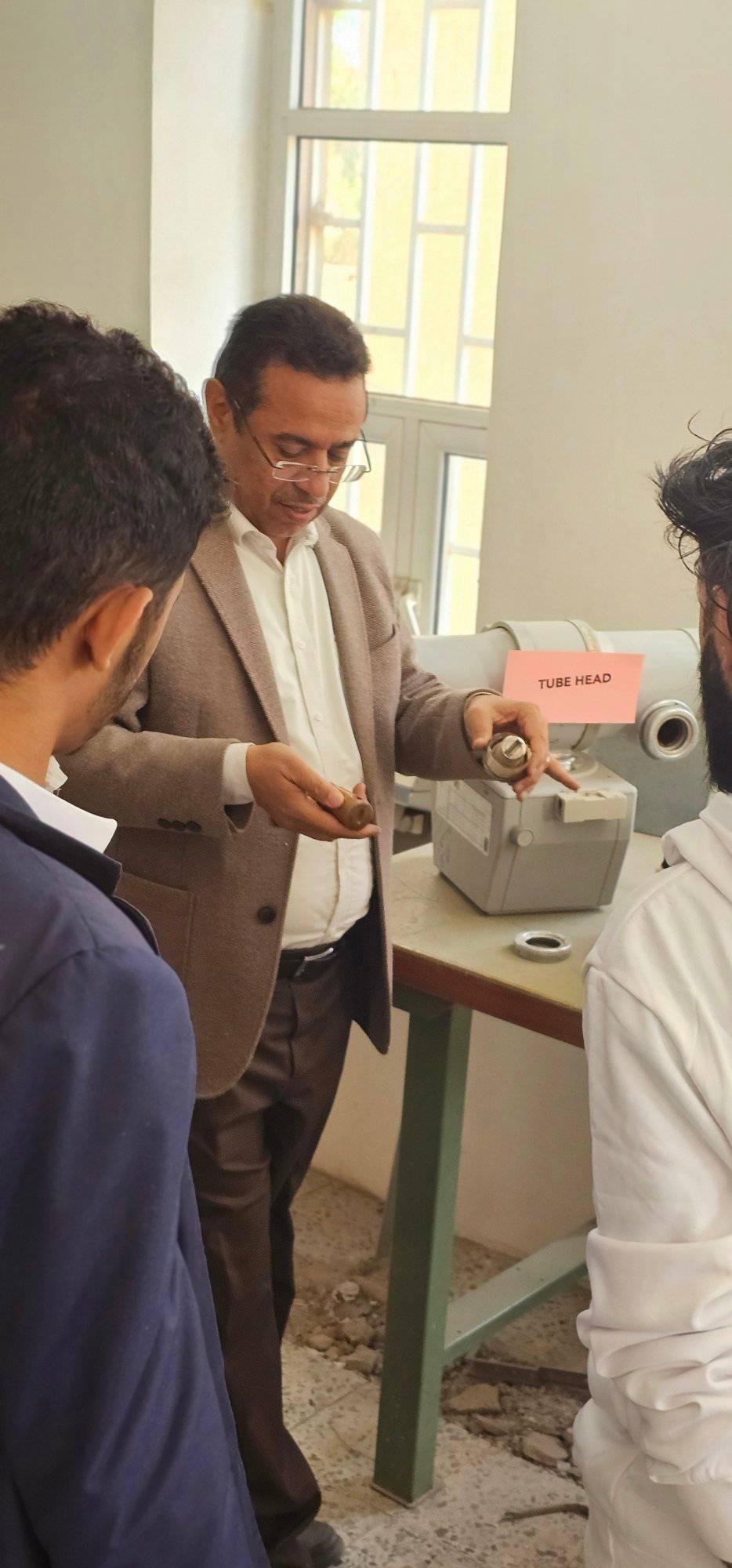
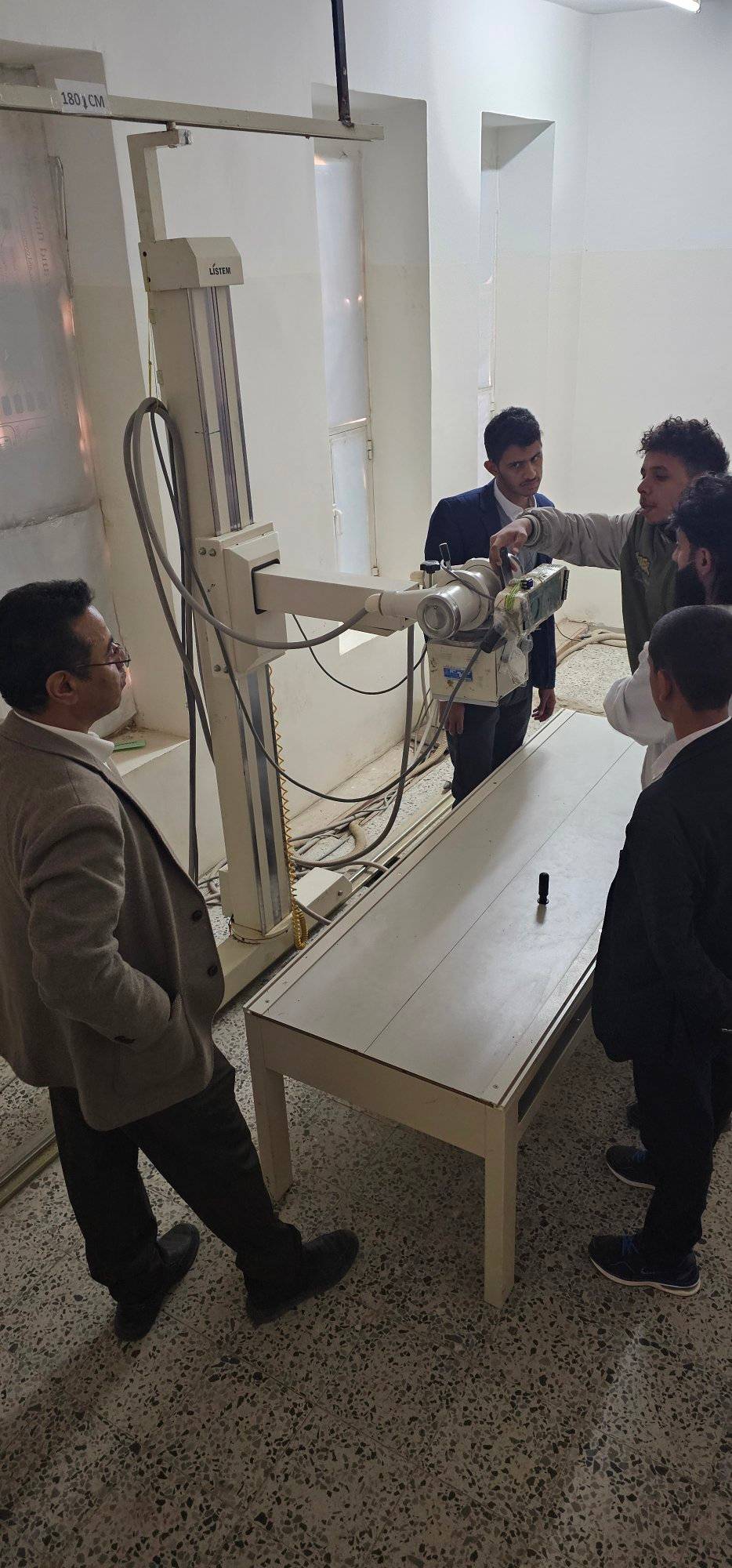
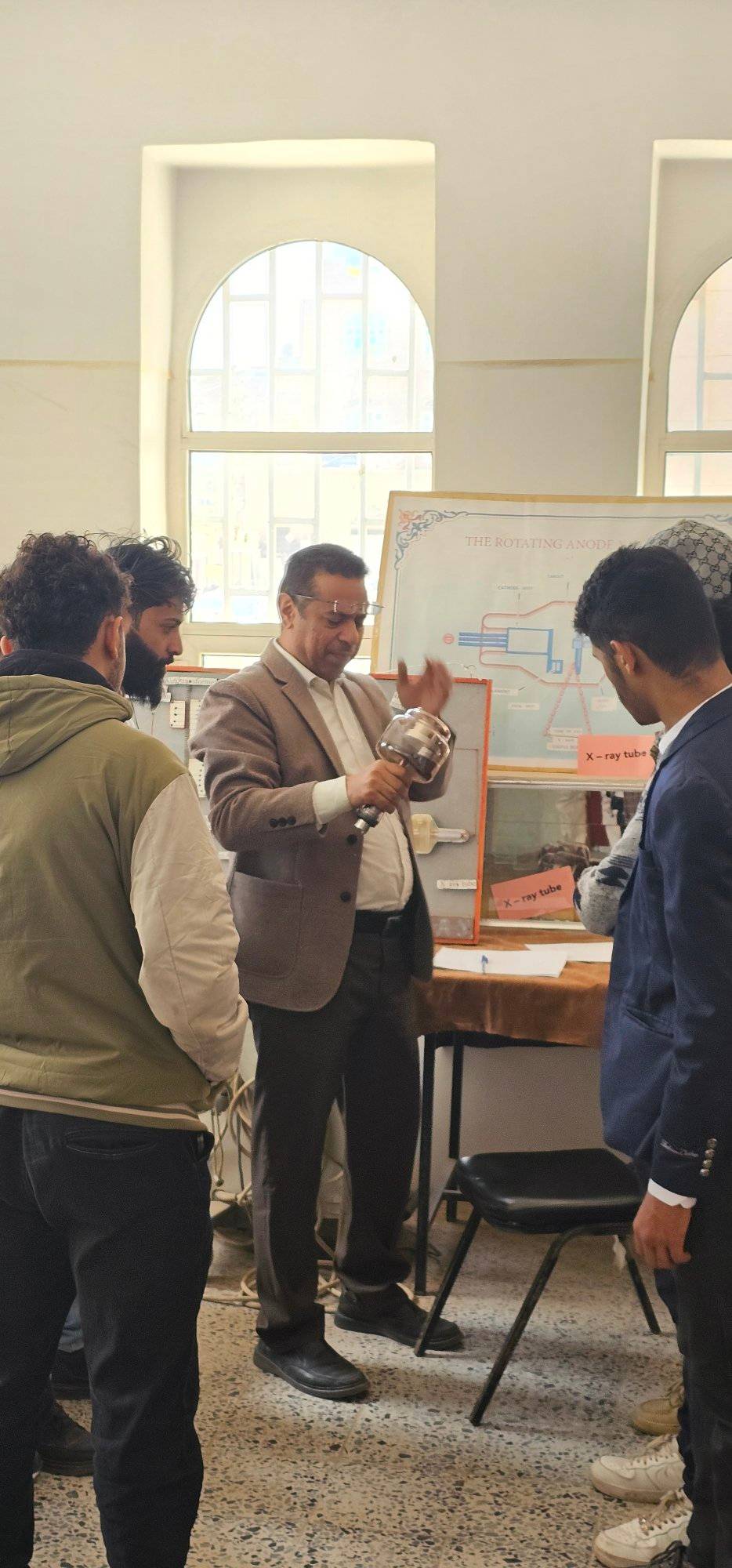
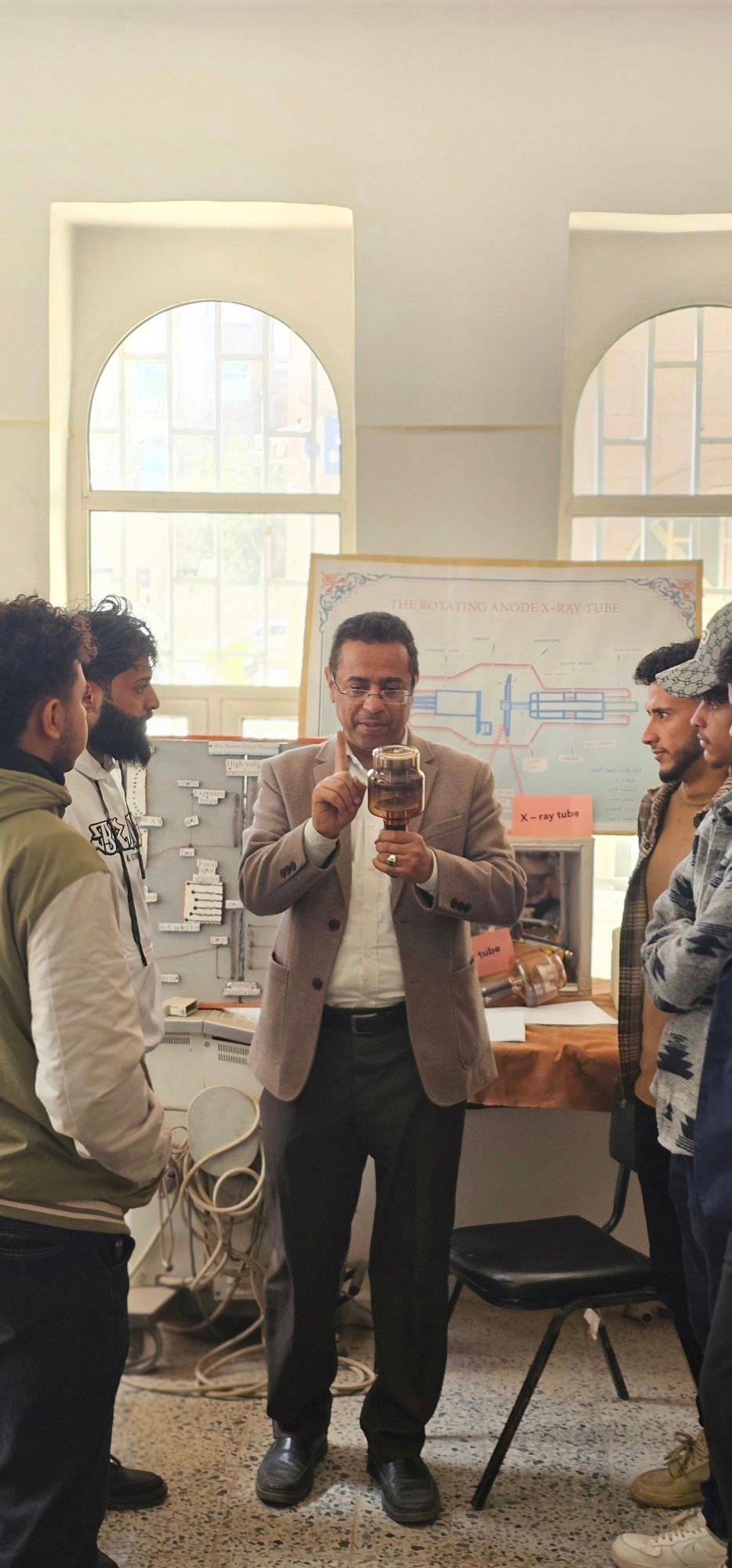
- Organizing Student Exhibitions.
- Hosting introductory events highlighting the department and its specializations.
- Receiving and hosting school visits.
- Strengthening the relationship between the university and its graduates.
- Supporting employment and training opportunities for graduates and students.
- Organizing professional networking events and alumni forums.
- Leveraging alumni expertise in the development of academic programs.
- Strengthening institutional affiliation with the University of Science and Technology (UST).
After completing more than 70% of the courses approved in the study plan, the Biomedical Engineering Department at the University of Science and Technology (UST) provides students with the opportunity to enroll in a field training program at approved companies, healthcare institutions, and hospitals. The program aims to strengthen the practical dimension of their education and enable them to gain hands-on experience in the workplace.
The field training program is organized through official coordination between the Department and the relevant host organizations. The Department facilitates students' placement and follows up on their progress throughout the training period. At the end of the program, the Department communicates with the host organization to conduct a comprehensive evaluation of the student's performance and assess the extent to which the approved training outcomes have been achieved.
This program is considered one of the key components in preparing graduates who are academically and professionally qualified and capable of meeting labor market requirements with competence and professionalism.
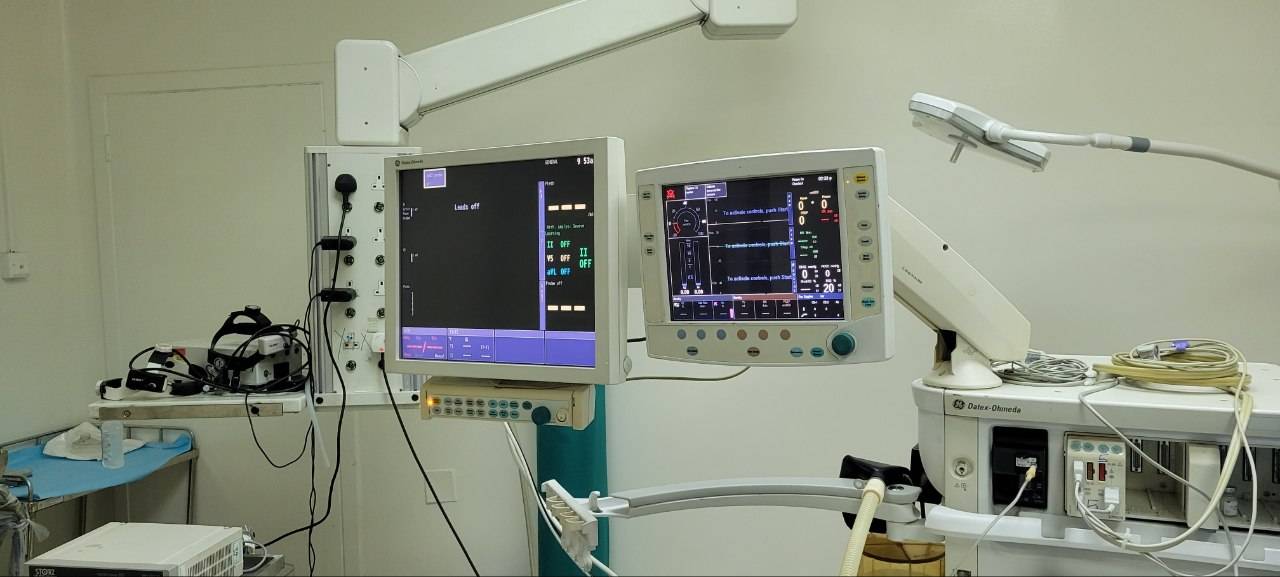
The training program enables Biomedical Engineering students to gain valuable practical experience in hospitals and leading medical companies. Training opportunities include the maintenance of medical equipment, training in prosthetics laboratories, and working with medical imaging technologies. The program aims to enhance practical skills in a real work environment and prepare engineers for careers in medical devices and healthcare technology.
Key Field Training Opportunities for Biomedical Engineering Students- Hospitals and Radiology Centers: Gaining experience in the operation and maintenance of medical equipment, including laboratory equipment and intensive care units.
- Medical Equipment and Healthcare Companies: Training in the sales, procurement, installation, and operation of medical equipment.
- Specialized Fields: Training and practical experience in prosthetics manufacturing, rehabilitation centers, and pharmaceutical manufacturing facilities.