

 العربية
 The Biomedical Engineering Program stands as the first bachelor’s degree in Yemen to specialize in Biomedical Engineering and Intelligent Systems, offering a contemporary curriculum strictly aligned with accreditation standards and current healthcare market needs. To ensure professional readiness, students are provided with practical training opportunities in leading medical centers and institutions, alongside access to specialized diplomas and training courses tailored to the requirements of the medical technology field. Furthermore, the program integrates international professional certifications to bolster the global competitiveness of its graduates in maintaining and developing sophisticated clinical systems.
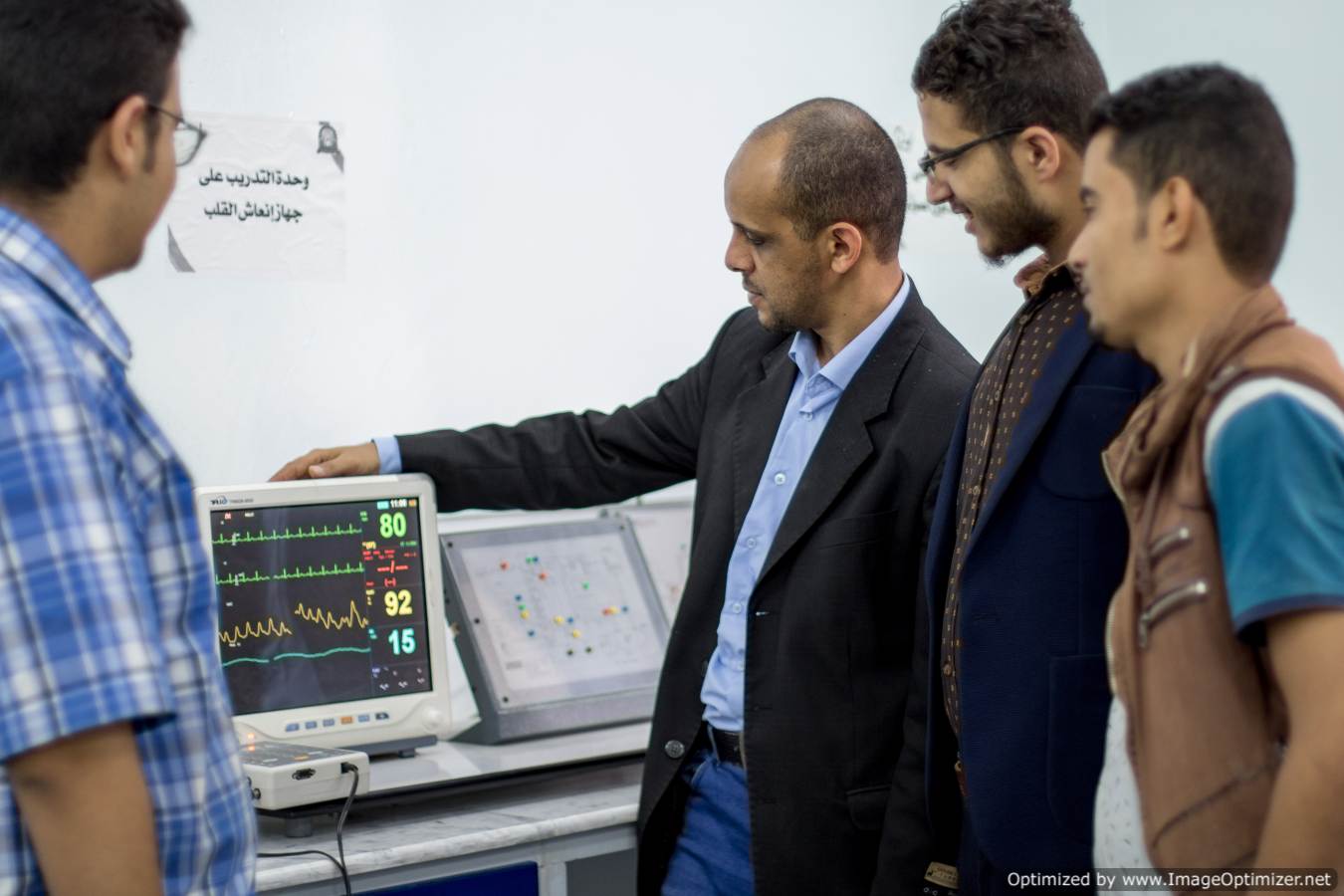
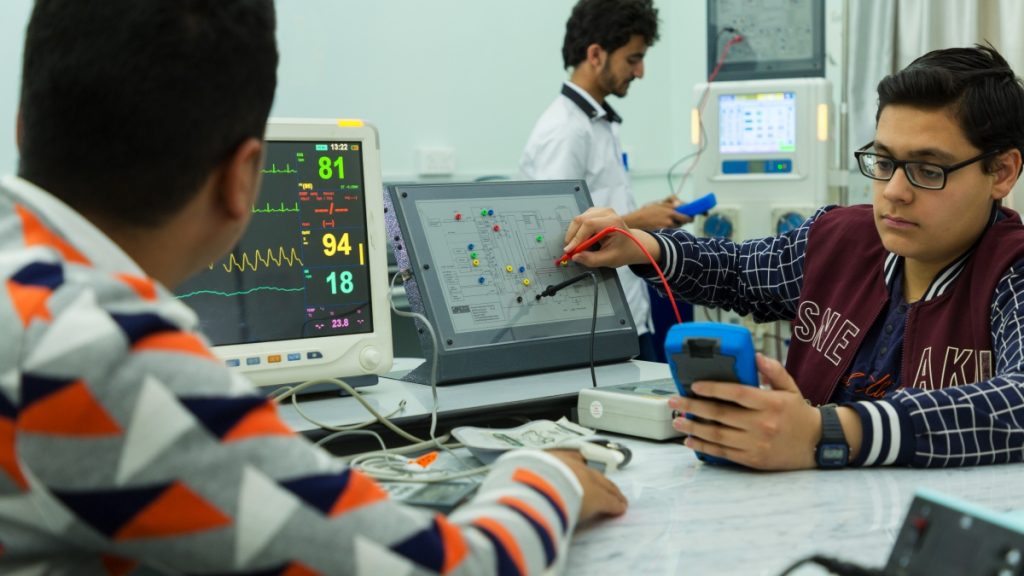
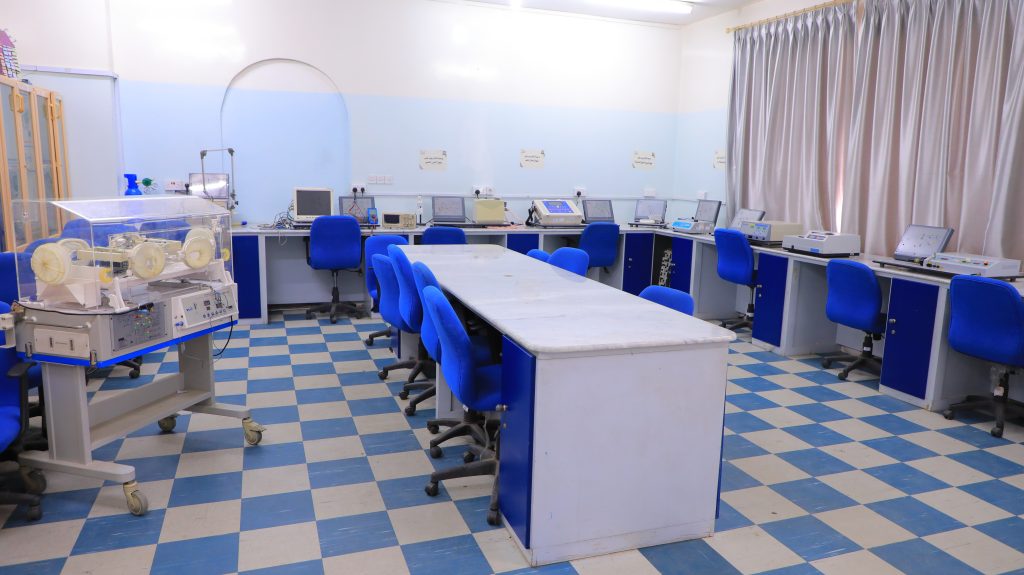
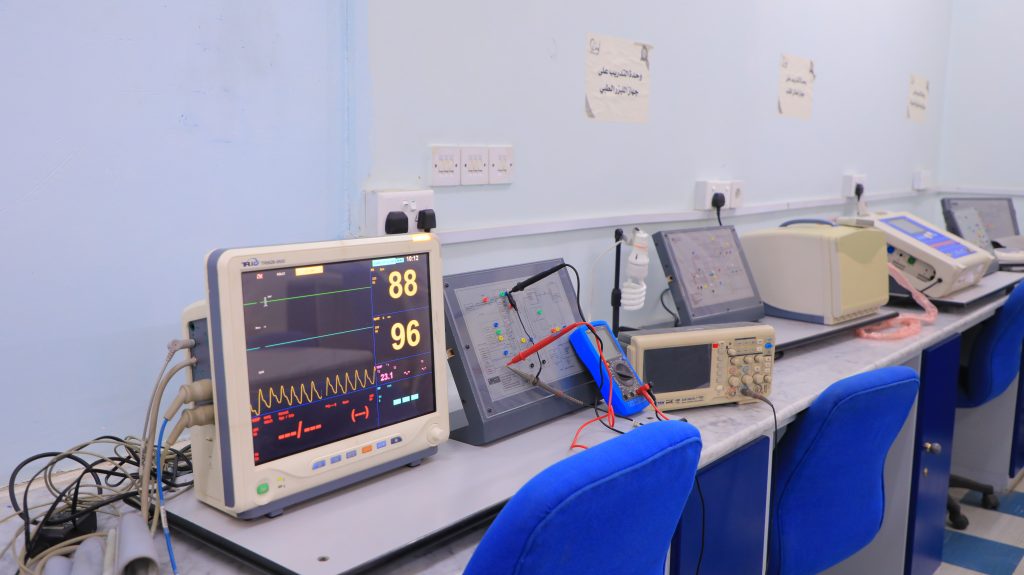
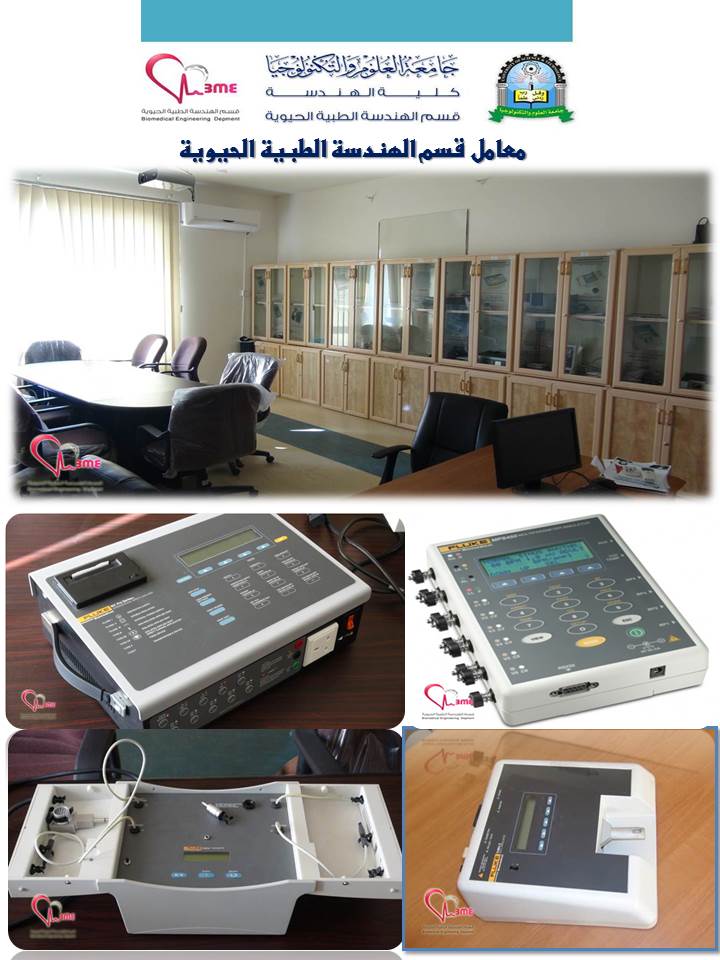
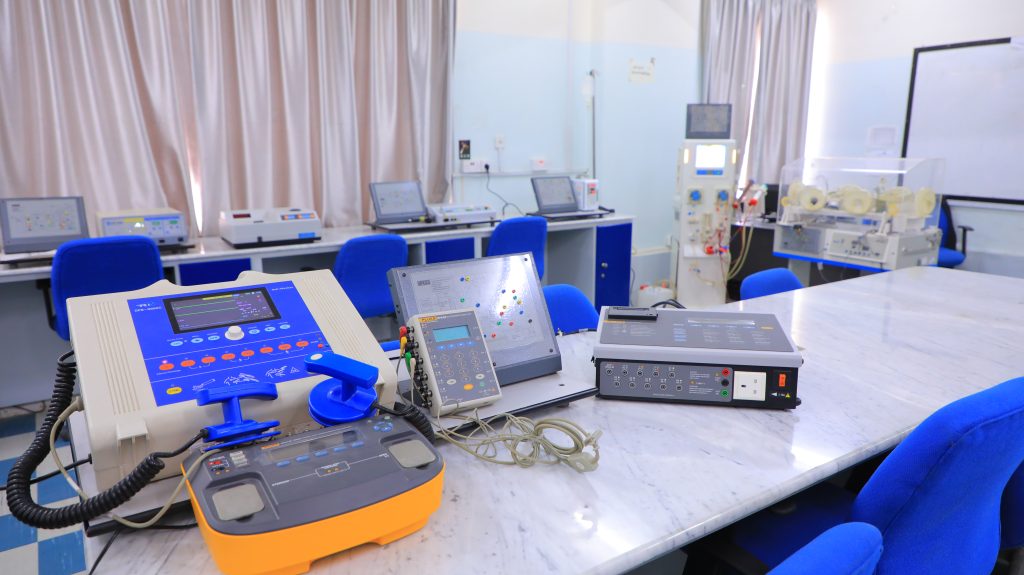
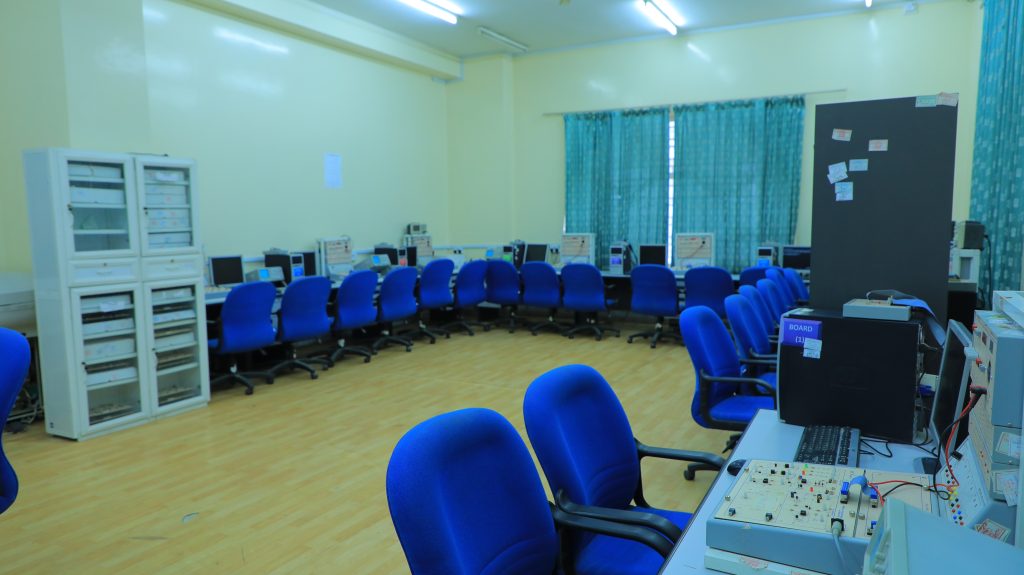
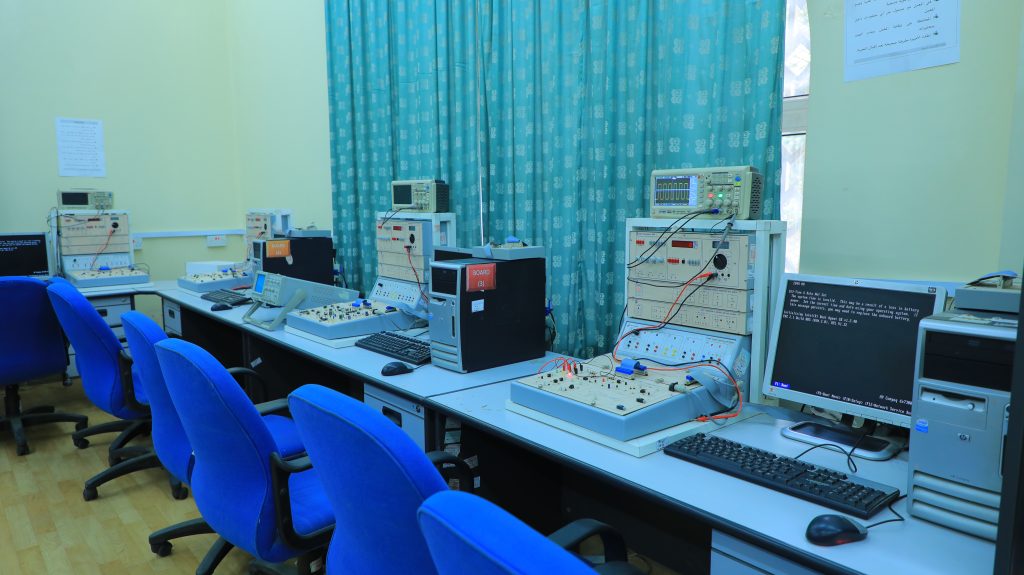
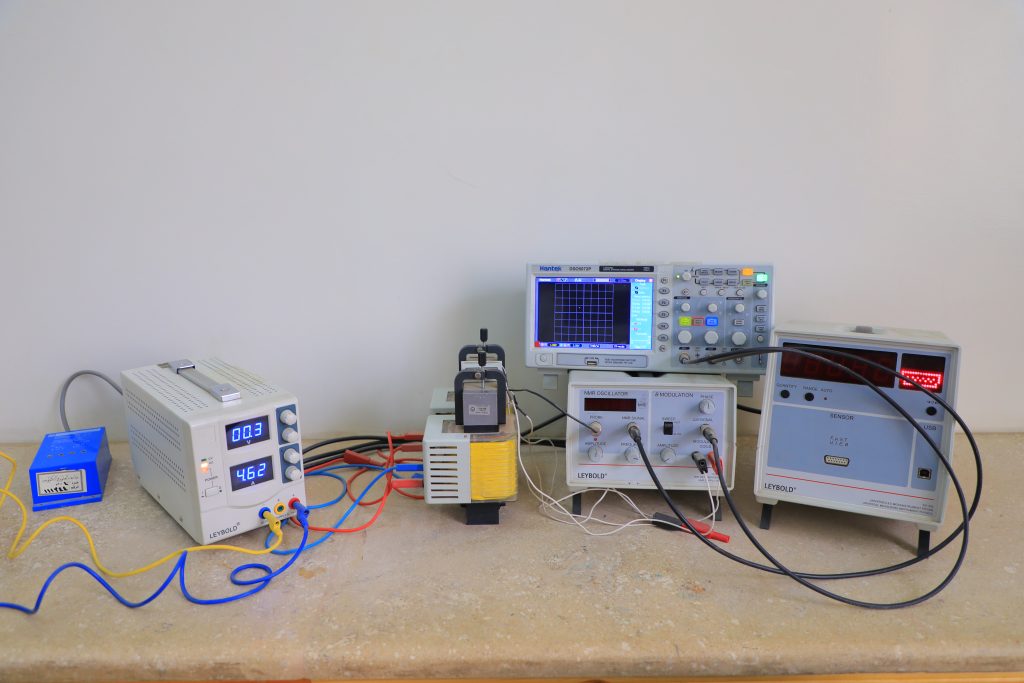
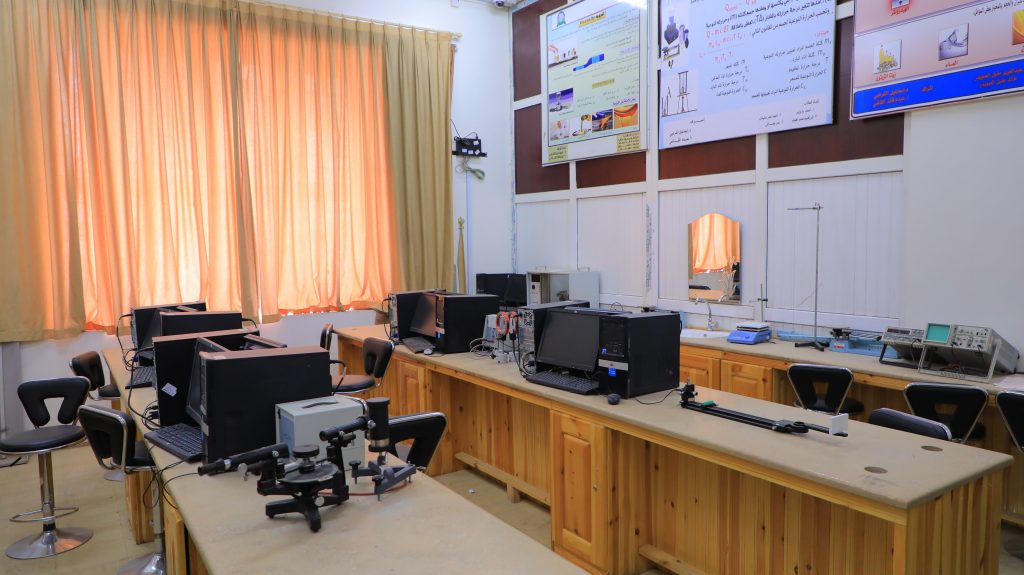
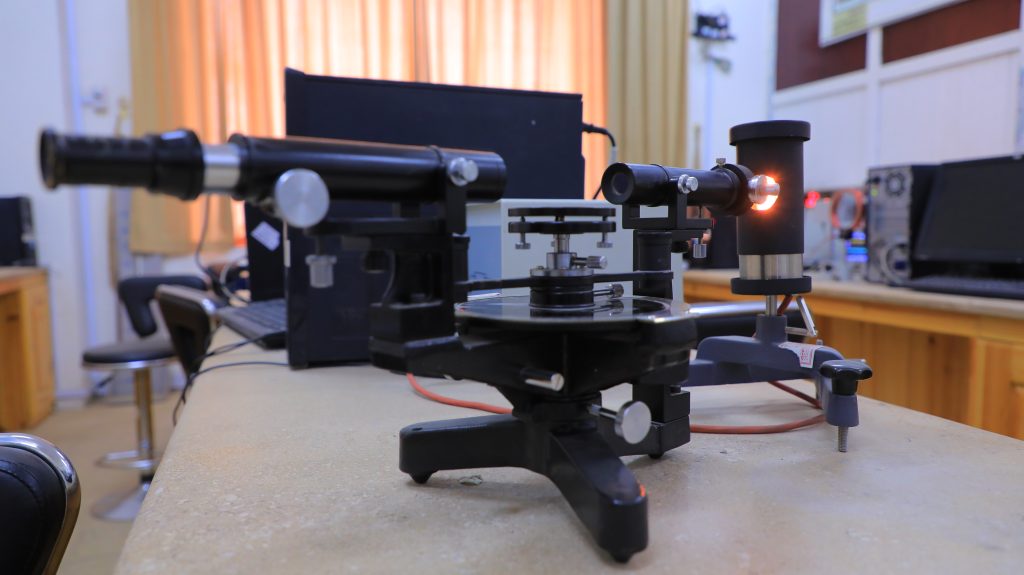
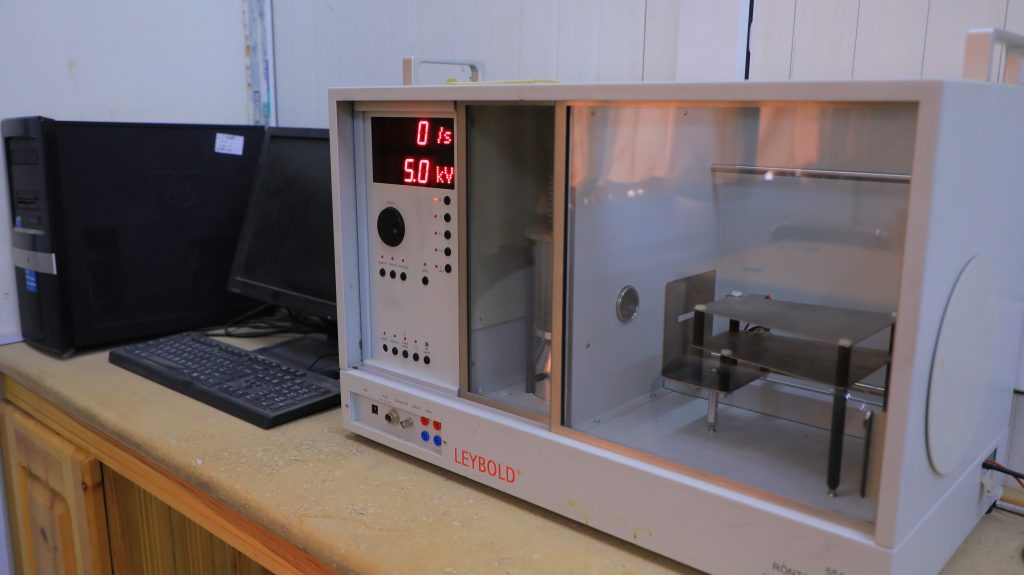
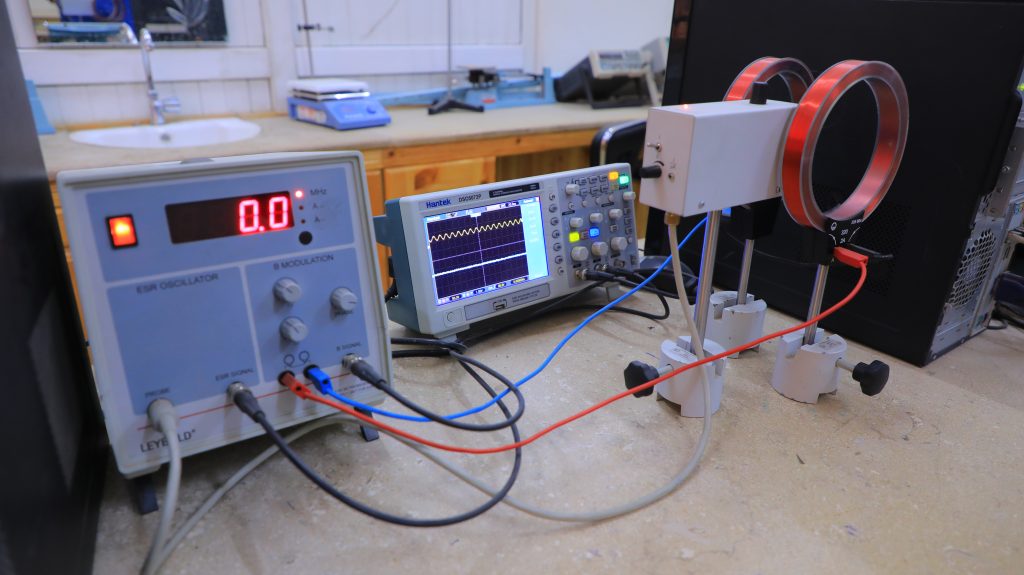
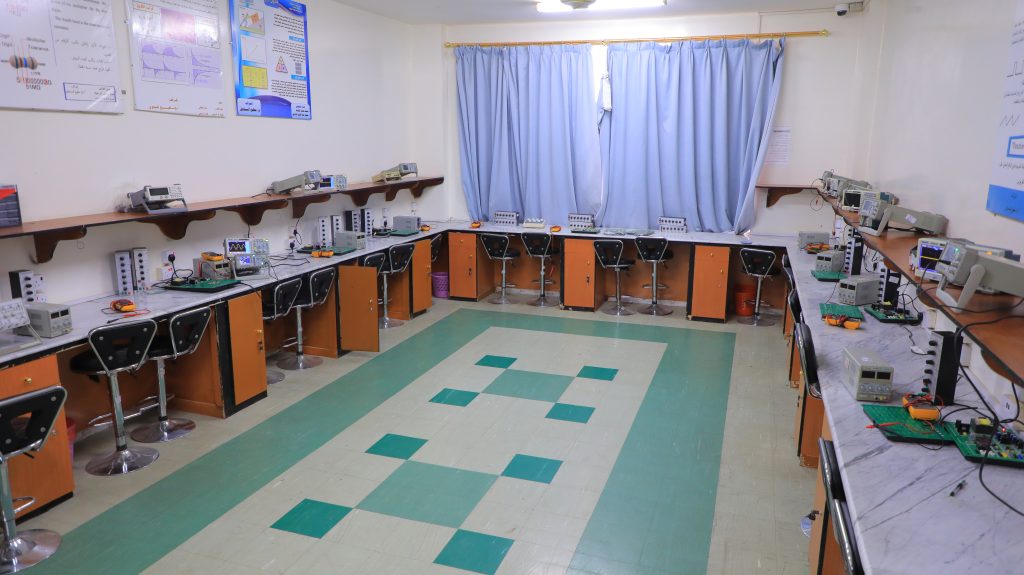
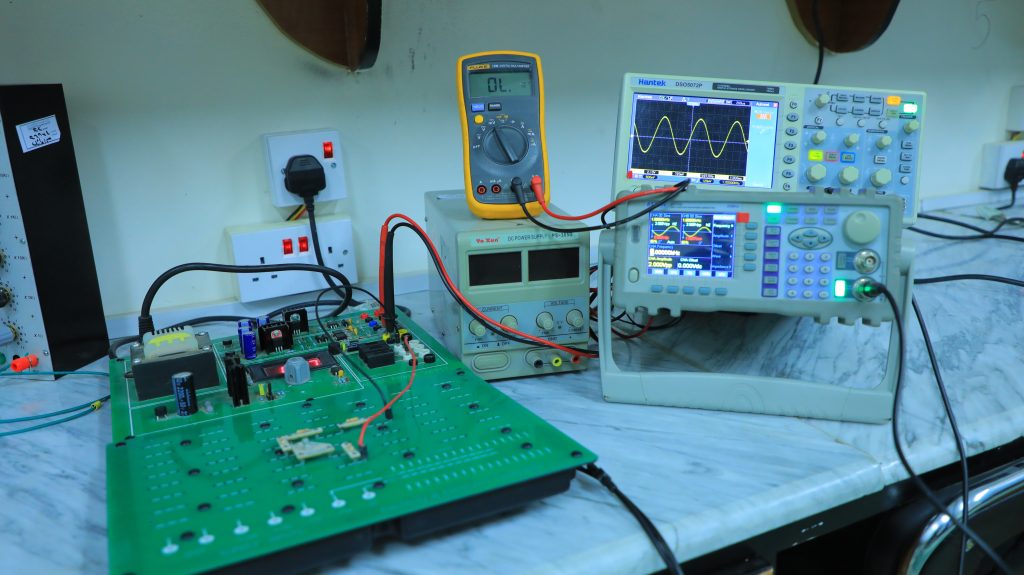
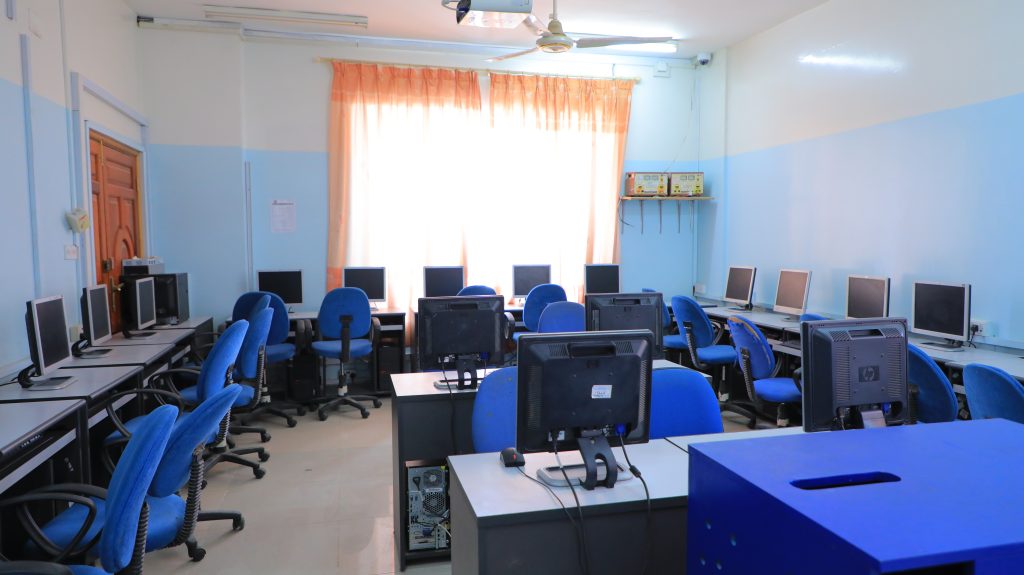
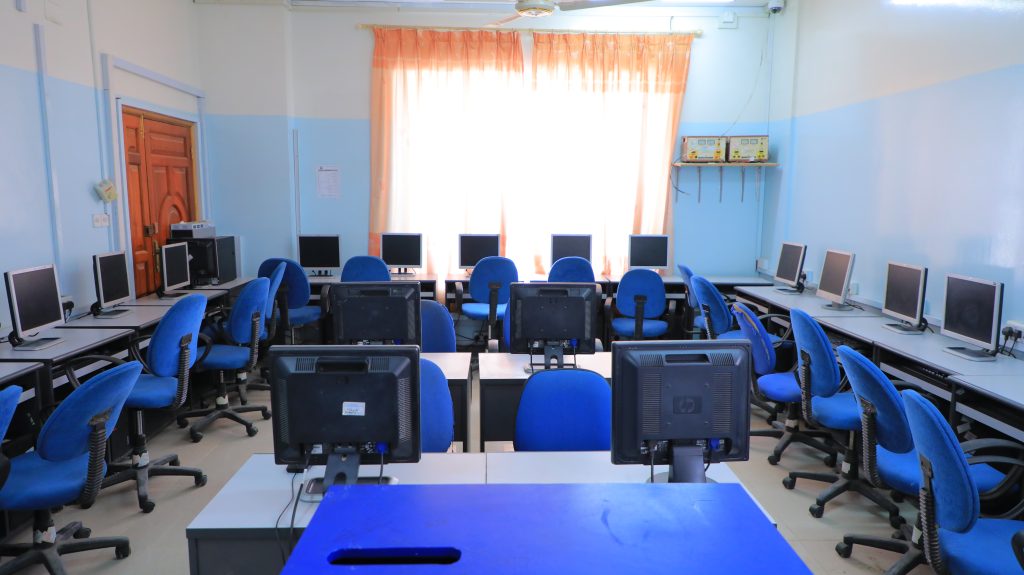
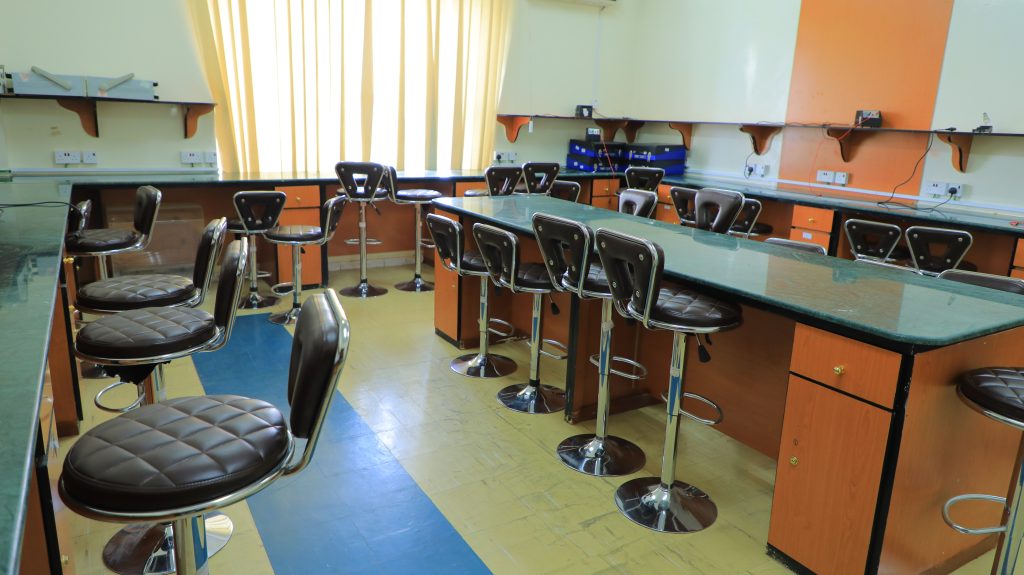
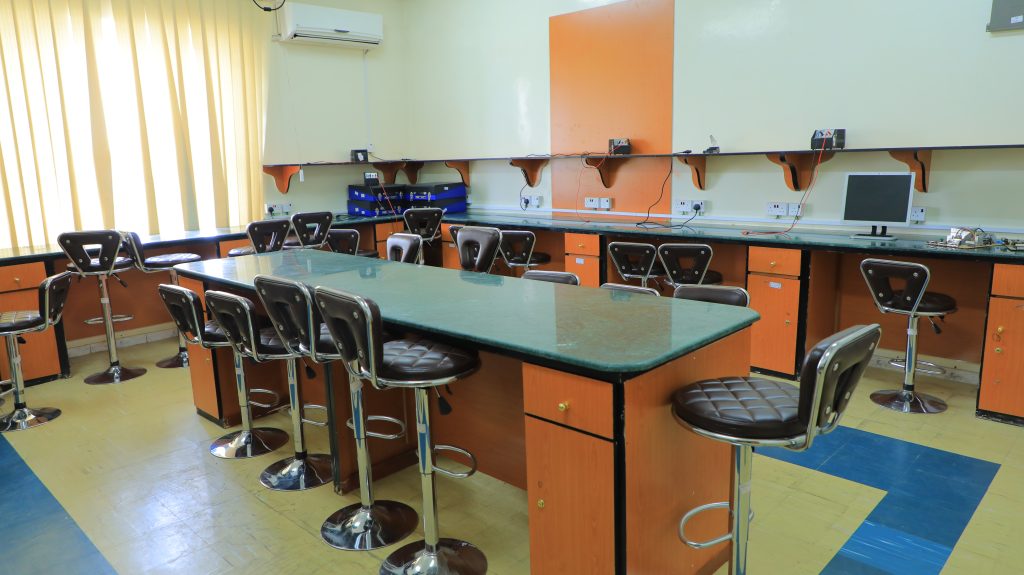
The learning experience is supported by a comprehensive infrastructure and a conducive environment featuring modern, advanced biomedical laboratories and specialized workshops. This excellence is driven by a highly qualified and dedicated team of academic and technical staff who oversee both the rigorous technical training and outstanding student activities and services. By combining expert instruction with top-tier medical engineering facilities, the program creates a holistic academic setting designed for student success in the evolving world of healthcare technology.
To be one of the leading electronics engineering departments locally and distinguished regionally.
- Provide students with knowledge, skills, and ethics related to electronic engineering specializations.
- Conduct research and studies of scientific value that have an applied nature in electronic engineering disciplines.
- Prepare qualified engineers who can apply engineering sciences and methods in the labor market, and make decisions and deal with crises.
- Develop curricula, and scientific and practical requirements periodically to ensure following rapid changes and in harmony with the labor market requirements.
- Exchange scientific and training experiences with similar institutions, organizations, and centers.
- Implement mechanisms that ensure the quality of the educational process to obtain accreditation for the academic programs offered by the department.
- Develop the academic and professional skills of the academic staff.
- Provide technical and scientific consultations to all governmental and private sectors of society.
Academic Programs
Scientific research
- Biosignal processing
- Bioinstrumentation
- biotechnology
- bioinformatics
- modeling in biomedical engineering
- Biosignal
- Biosensors
- AI in medicine
- biomaterials
- Medical imaging and image processing
- Discrete mathematics
- Mathematical application in the medical field
📋 List of Distinguished Graduation Projects | Department of Biomedical Engineering
🫀 Faculty of Engineering – University of Science and Technology, Sana'a, Yemen
| No. | Project Title | Project Description & Student Names | Project Type |
|---|---|---|---|
| 1 | Neonatal Monitoring System in NICU Based on Android Application | Project Idea: A neonatal monitoring system in NICU based on smartphones. The system records physiological variables of newborns such as heart rate (HR), blood oxygen saturation (SpO2), blood pressure (BP), ECG, respiration rate (RR), and body temperature using integrated circuits with multiple sensors. Data collected via ESP32 Wi-Fi Shield is transmitted to a smartphone. An Android application was developed to analyze, process, and display data in numerical and graphical formats. Abnormal values of physiological variables are identified and analyzed to generate automatic alerts in the system, transmitting them with data to the Android app and sending SMS messages to the physician's phone. Student Names: Mawaddah Ali Hussein Saadah, Israa Al-Sanhani, Nidaa Al-Jamai, Nada Al-Lahbi. |
Graduation Project |
| 2 | Non-Invasive Cholesterol, Glucose and Hemoglobin Level Measuring Device | Project Idea: A device that monitors three important variables in the human body, the imbalance of which indicates diseases that are among the leading causes of death worldwide: high blood cholesterol, diabetes, and anemia. It measures cholesterol, glucose, and hemoglobin levels in the blood without finger pricking by placing the sensor on the earlobe. Data is then transmitted to a smartphone via Bluetooth, and final information is displayed to the user through an Android application. Student Names: Aisha Mohammed Al-Karibi, Wafaa Najib Al-Jamai, Abrar Al-Salawi. |
Graduation Project |
| 3 | Smart Operating Room Monitor | Project Idea: A device that monitors the most important environmental variables that may indicate environmental contamination potentially causing infections in surgical operating rooms (SSI). It uses 6 sensors to measure: PM2.5 particles, VOC variable, carbon dioxide, ozone gas, atmospheric pressure, temperature, and humidity. | Graduation Project |
| 4 | Smart Monitoring System for Hospital Environment Based on IoT | Project Idea: The project idea focuses on measuring and monitoring hospital environment variables to ensure a pollution-free environment. The system relies on the Internet of Things (IoT) to transmit data via an ESP32 processor and display it on smartphones or computers. Student Names: Mohammed Taha Al-Mahabshi, Mohammed Kamal Al-Wahhabi, Nizar Abdul Jabbar Al-Mashriqi, Abdul Rahman Majed Al-Battah, Ismail Bin Shaif. |
Graduation Project |
| 5 | DC Shock Calibration Device | Project Idea: Measuring the efficiency of defibrillator devices and calibrating them according to international standards (Time, Charge, Current, Voltage, Joule). Values are displayed on an LCD screen and can also be viewed using an oscilloscope. Student Names: Mohammed Saleh Naji Al-Sharabi, Jaber Al-Maghles, Hamza Murad, Osama Bahaa. |
Graduation Project |
| 6 | Bioresonance Therapy Device | Project Idea: Treating pain in body areas without the need for chemical painkillers. It is characterized by low cost, ease of use, and effectiveness in pain relief. Student Names: Salsabil Essam, Amani Al-Haidari, Aisha Ali Ahmed, Thuraya Al-Hawri. |
Graduation Project |
| 7 | Multifunction Pressure Meter | Project Idea: Calibrating gas networks and pressure devices with high efficiency. It features low cost, excellent software, and the ability to measure most medical devices. Student Names: Asmaa Qahoush. |
— |
| 8 | Infant Incubator and Phototherapy Analyzer | Project Idea: Designing a calibration device for incubators and phototherapy devices to measure their efficiency according to international standards. It uses IoT technology and simultaneously measures both incubator and phototherapy devices. Student Names: Abdulaziz Al-Aqeeli, Hasm Handhal, Ahmed Saif, Abdul Muttalib Al-Hamzi. |
— |
| 9 | Low Cost Infusion and Syringe Pump Analyzer | Project Idea: Calibrating intravenous infusion devices to ensure dosage accuracy and avoid complications. It features measurement precision, curve plotting over time, and low cost. Student Names: Omniyat, Zahra Hazzaz, Lamis Al-Awadi. Contact: 776222826 |
— |
| 10 | A Portable Device for Calculating Radiation Dose and Measuring Leaks | Project Idea: Measuring radiation leaks in radiology rooms and calculating doses for radiology technicians with smart alerts. Designed as a wristwatch providing real-time results. Student Names: Essam Alawi, Salah Tarum, Osama Taher. |
— |
🔎 Search feature: Filter projects by title, student names, or keywords. Fully responsive layout.