The University Sports Complex: Where Physical Vitality Integrates with Intellectual Energy

The University believes that academic excellence begins with a sound balance between physical and mental well-being. Accordingly, it provides its male and female students with integrated sports facilities and spacious areas specifically designed to channel youthful energy and develop talents in an environment characterized by fair competition and a spirit of cooperation.
The sports services and activities available to both genders include specialized athletic training through regular and organized sessions in a wide range of individual and team sports, such as football, basketball, volleyball, table tennis, badminton, billiards, and chess.
The University also offers a modern fitness center (gym) equipped with the latest machines and equipment, with professional male trainers and a specialized female trainer to ensure the provision of appropriate technical support for each group in full privacy.
In addition, specialized courses and self-defense programs are organized, including intensive training in martial arts and karate, along with periodic sessions aimed at enhancing overall physical fitness.
The University organizes internal and external sports leagues and tournaments on a regular basis, in addition to sports festivals and open sports days that aim to break academic routine and strengthen social bonds among students.
As part of its community responsibility and logistical services, the University provides specialized weight-loss and fitness programs for interested individuals from outside the University within the framework of community service initiatives. Lockers are also made available for participants to ensure the security and privacy of personal belongings during sports activities.
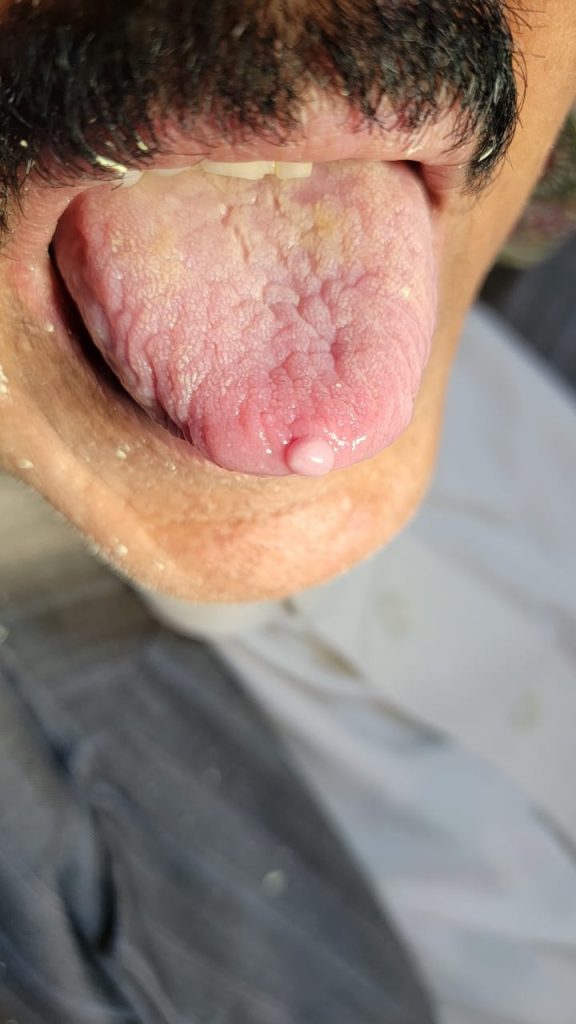
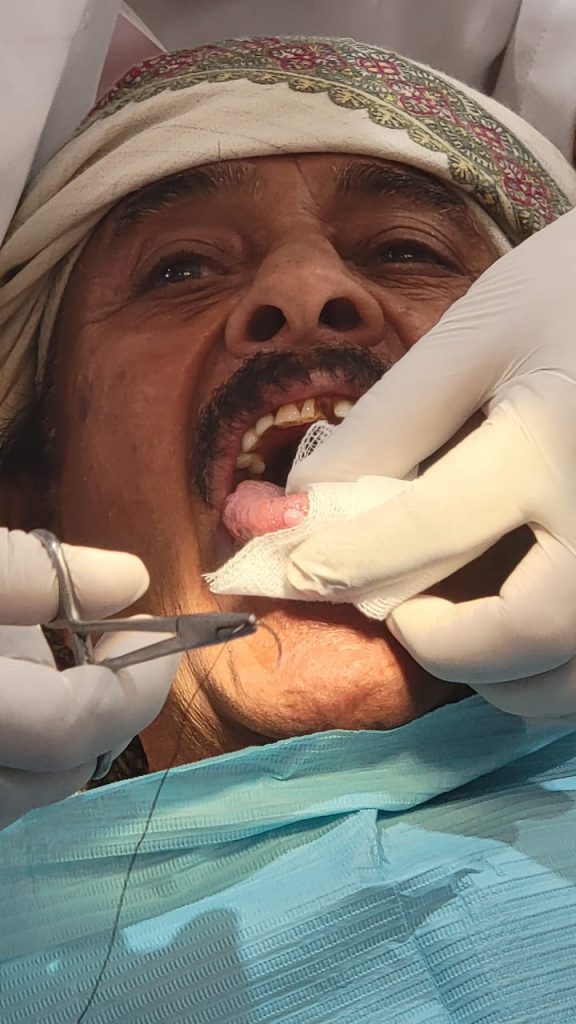
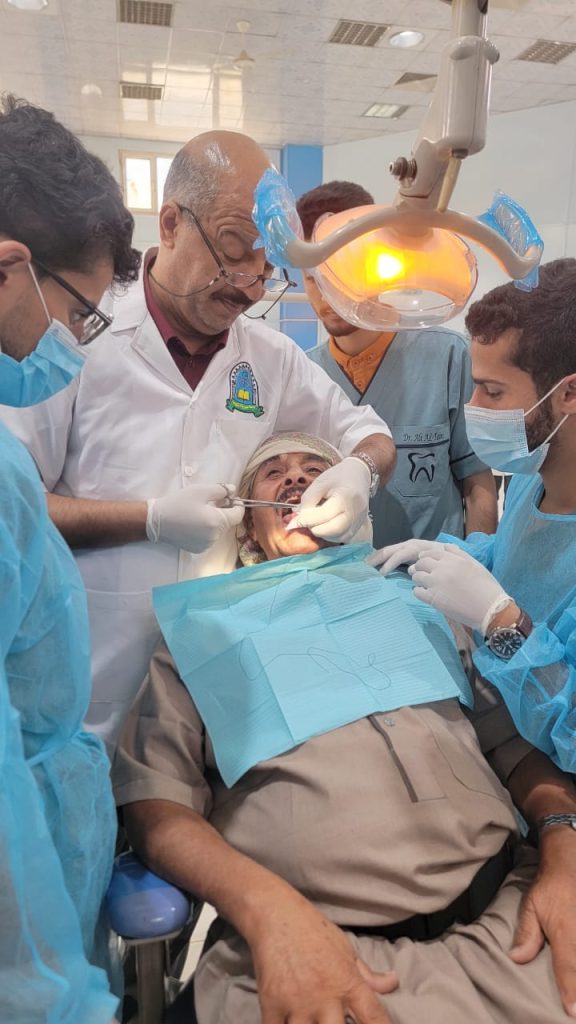
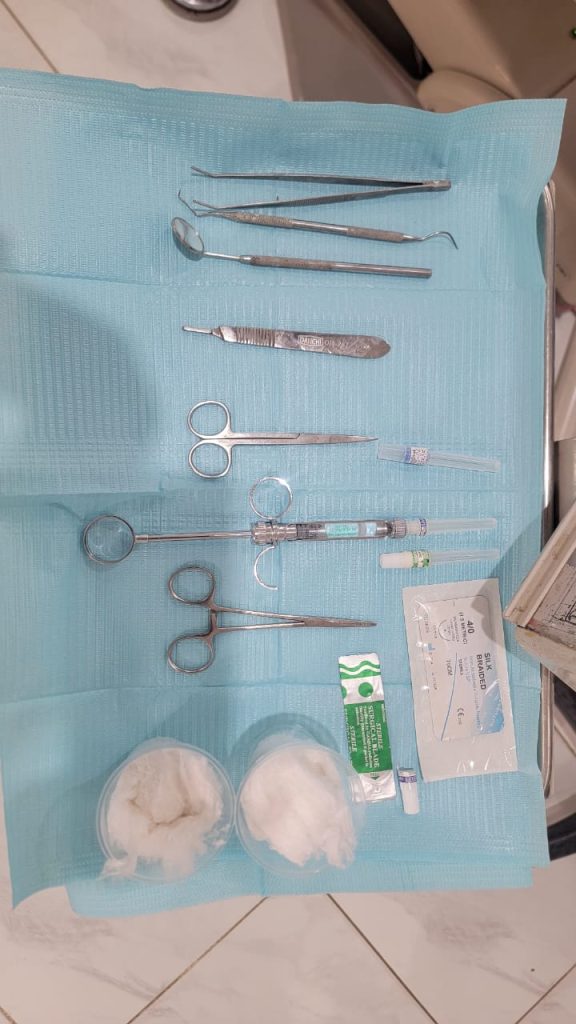
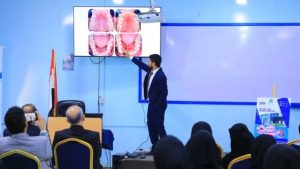
Within the framework of professional and clinical skills development, a series of specialized training programs are offered. These include training in surgical flap design and suturing techniques, which are considered core competencies in oral surgery. The training focuses on understanding different types of gingival flaps, appropriate surgical design to preserve blood supply and ensure optimal visibility during tooth extraction or implant procedures, as well as the selection and use of surgical sutures, knotting techniques, and suitable surgical needles. Learning outcomes include proper flap design and elevation, application of various suturing techniques, selection of appropriate suture materials, and proficient handling of delicate surgical instruments.
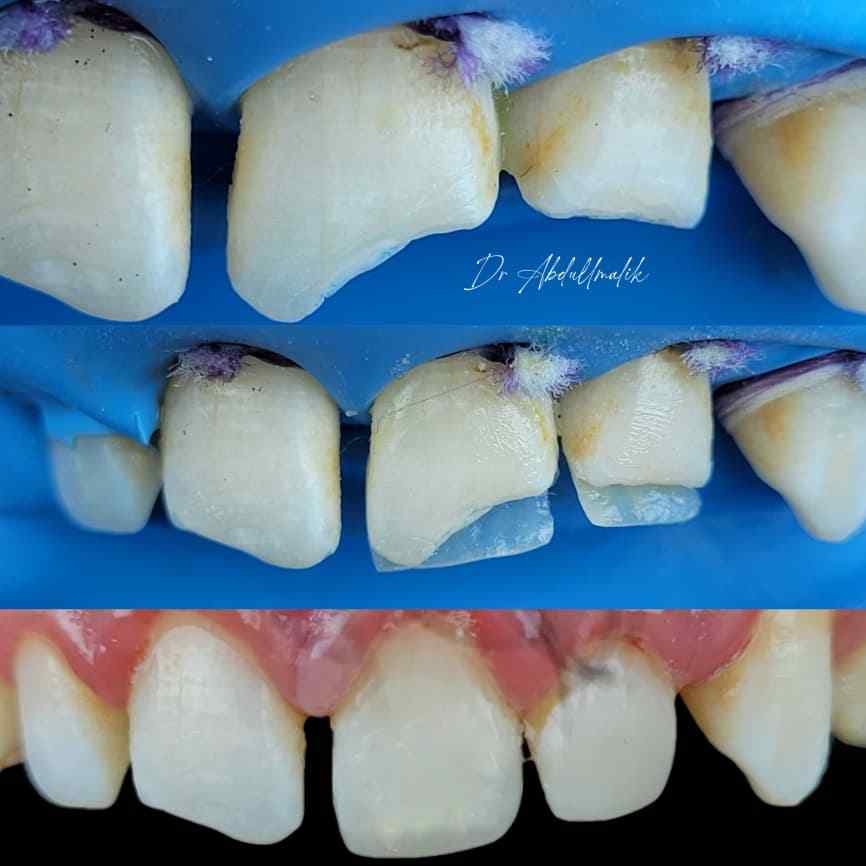
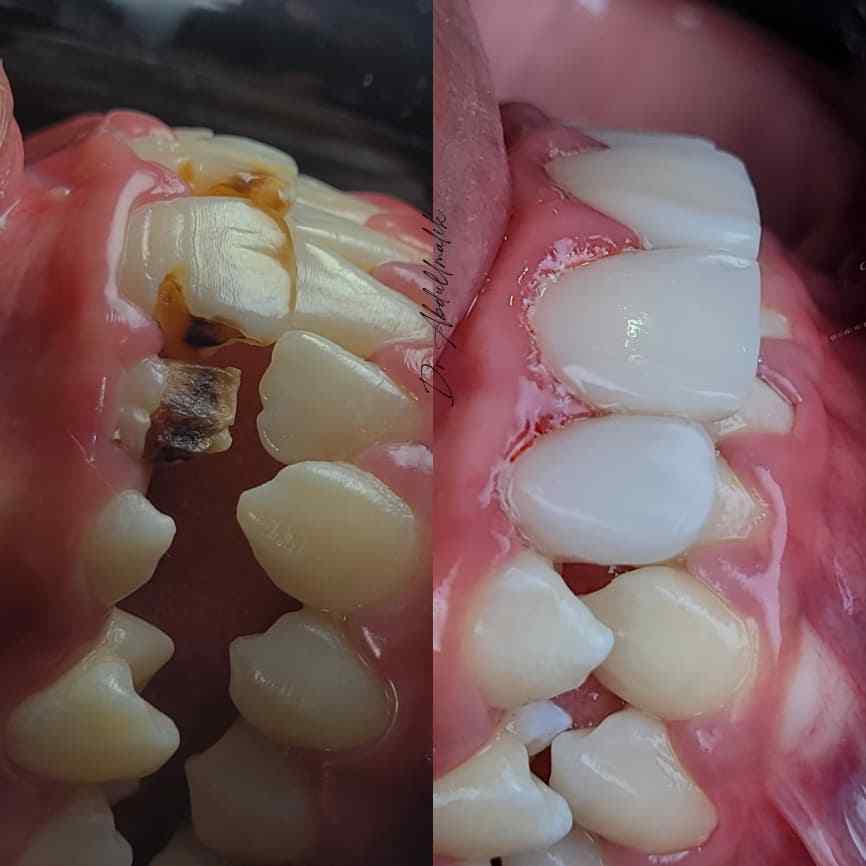
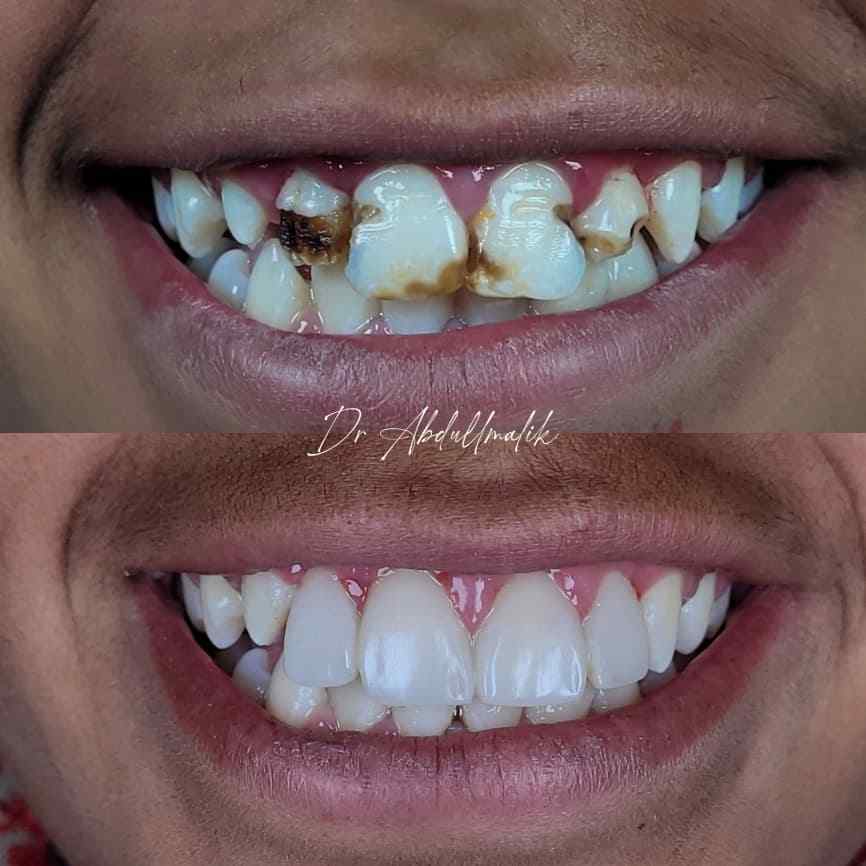
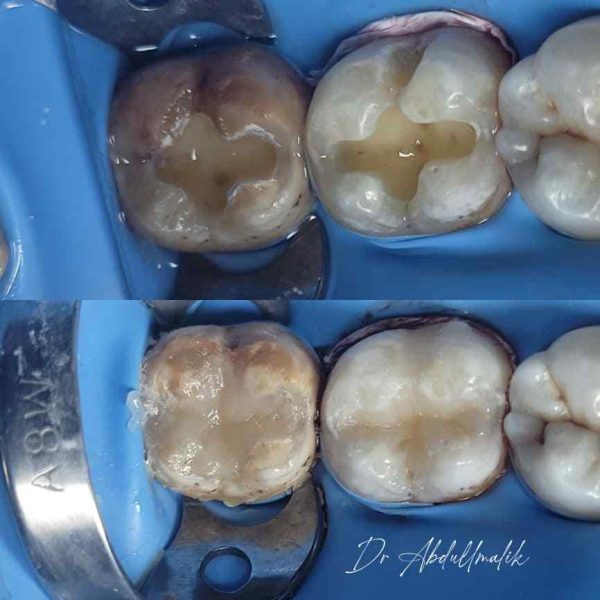
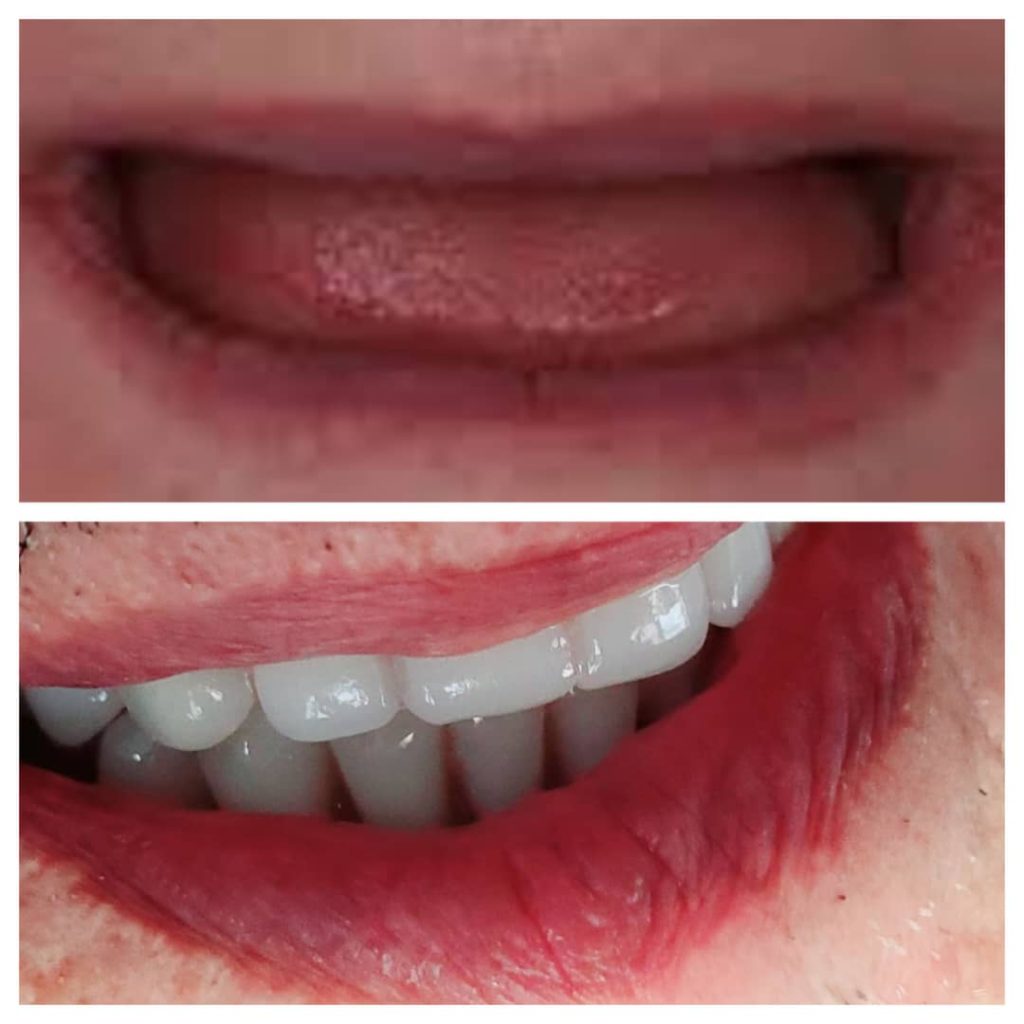
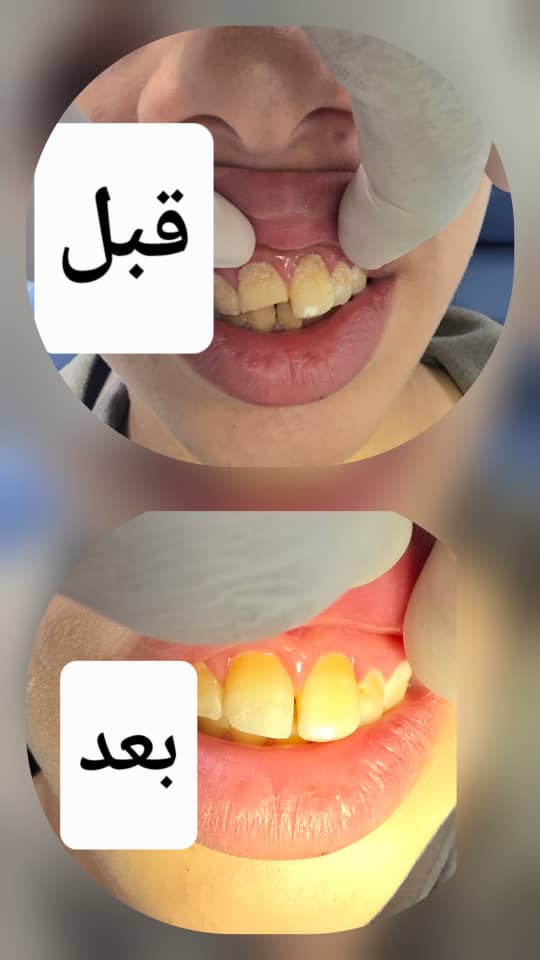
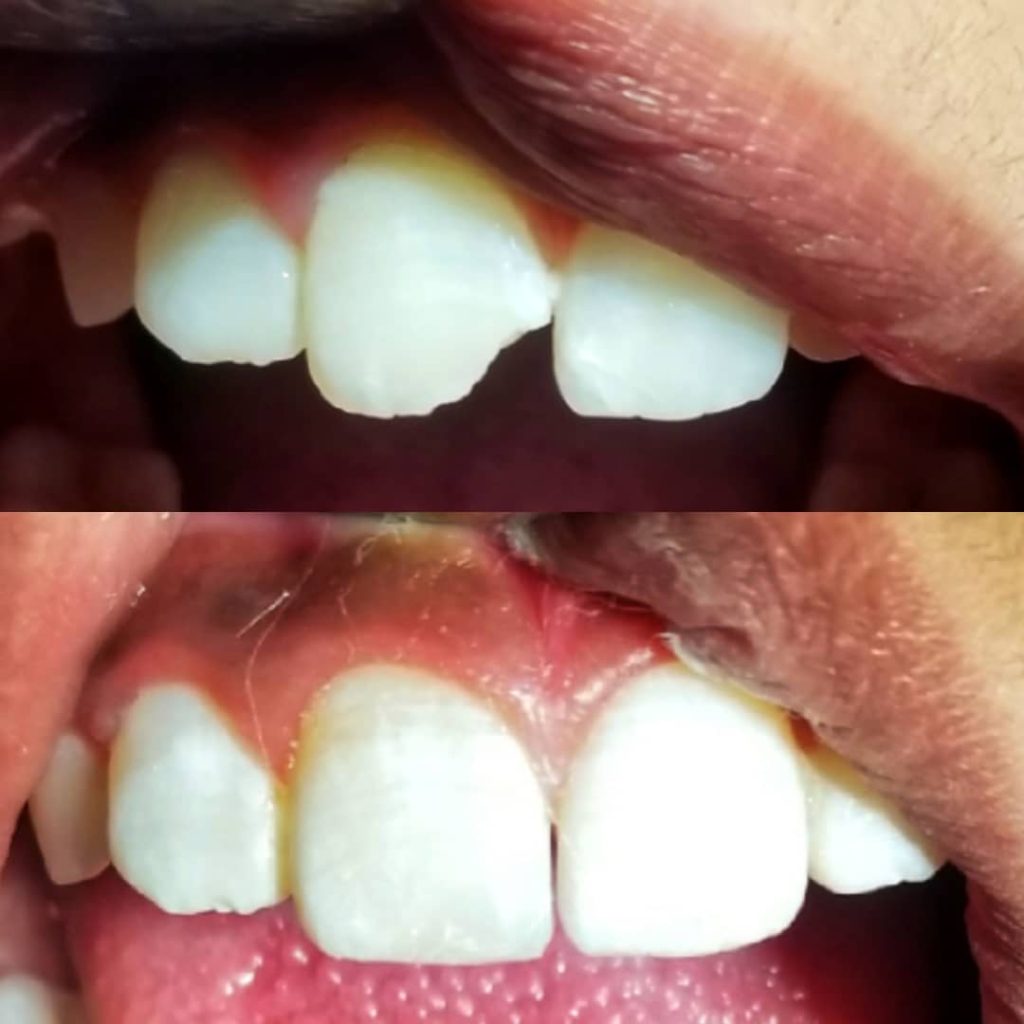
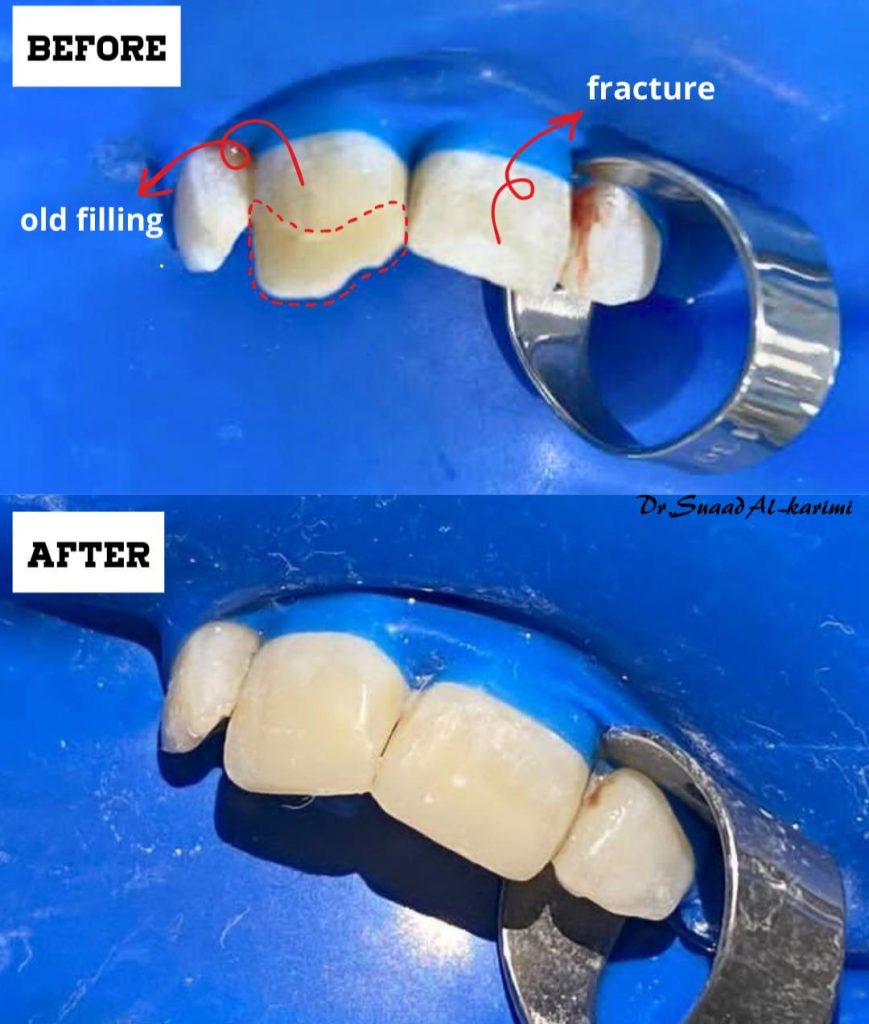
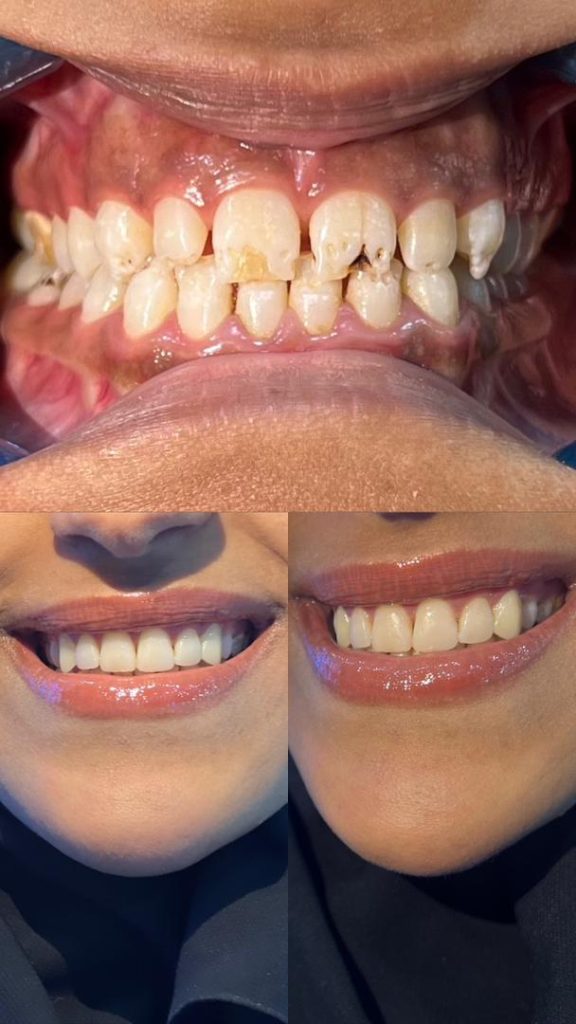
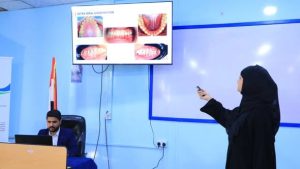
The program also includes training in composite veneers, which represent a conservative and highly esthetic solution for managing minor dental defects such as discoloration, small diastemas, and minor fractures. The training emphasizes modern esthetic dentistry applications using nano-hybrid composite resins, shade selection principles, layering techniques, and replication of the optical properties of natural teeth. Learning outcomes include case selection, surface preparation techniques, multilayer buildup, finishing, and polishing to achieve natural esthetics and stain resistance.
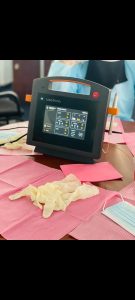
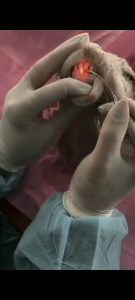
Training in the use of lasers in periodontics is provided, highlighting the significant advancements laser technology has brought to periodontal therapy. The program introduces laser physics and tissue interaction, with emphasis on clinical applications such as pocket disinfection, removal of granulation tissue, and non-surgical periodontal therapy. Learning outcomes include differentiating laser types, applying safe laser protocols, performing soft tissue procedures, and analyzing laser effects on wound healing and postoperative outcomes.
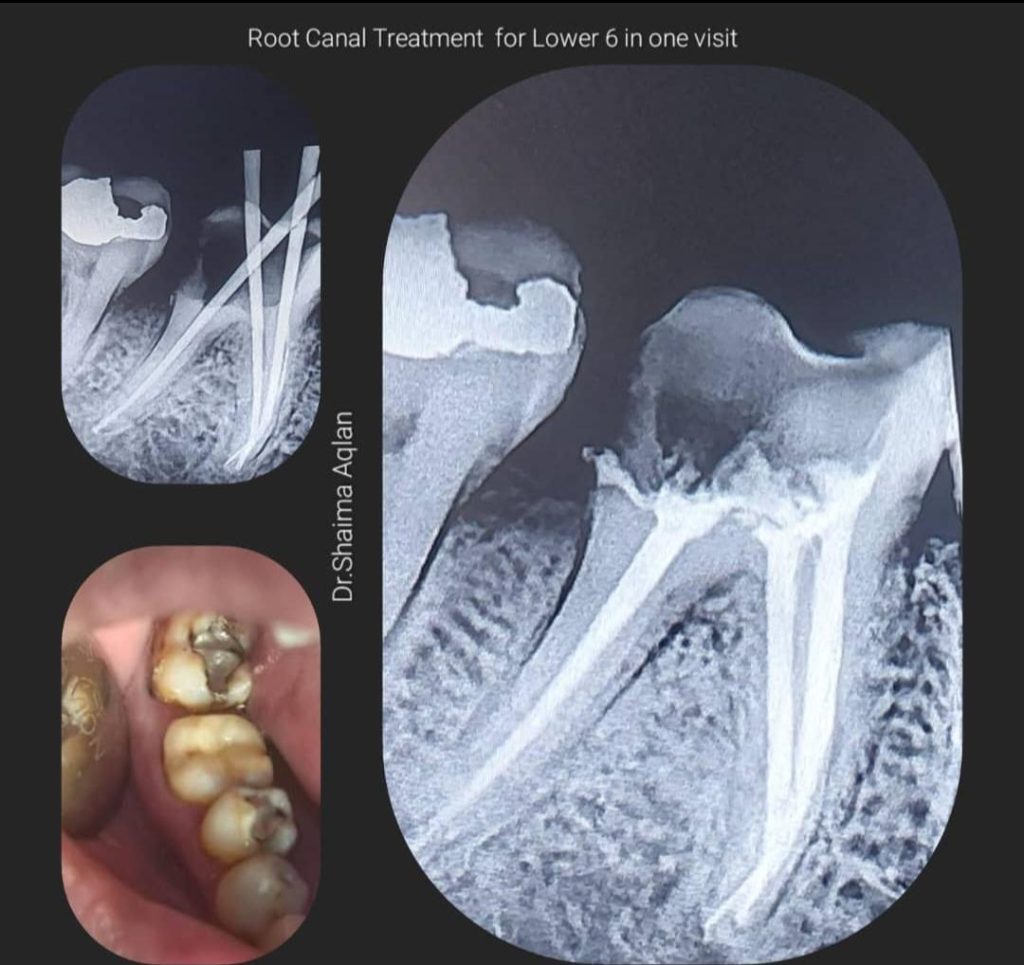
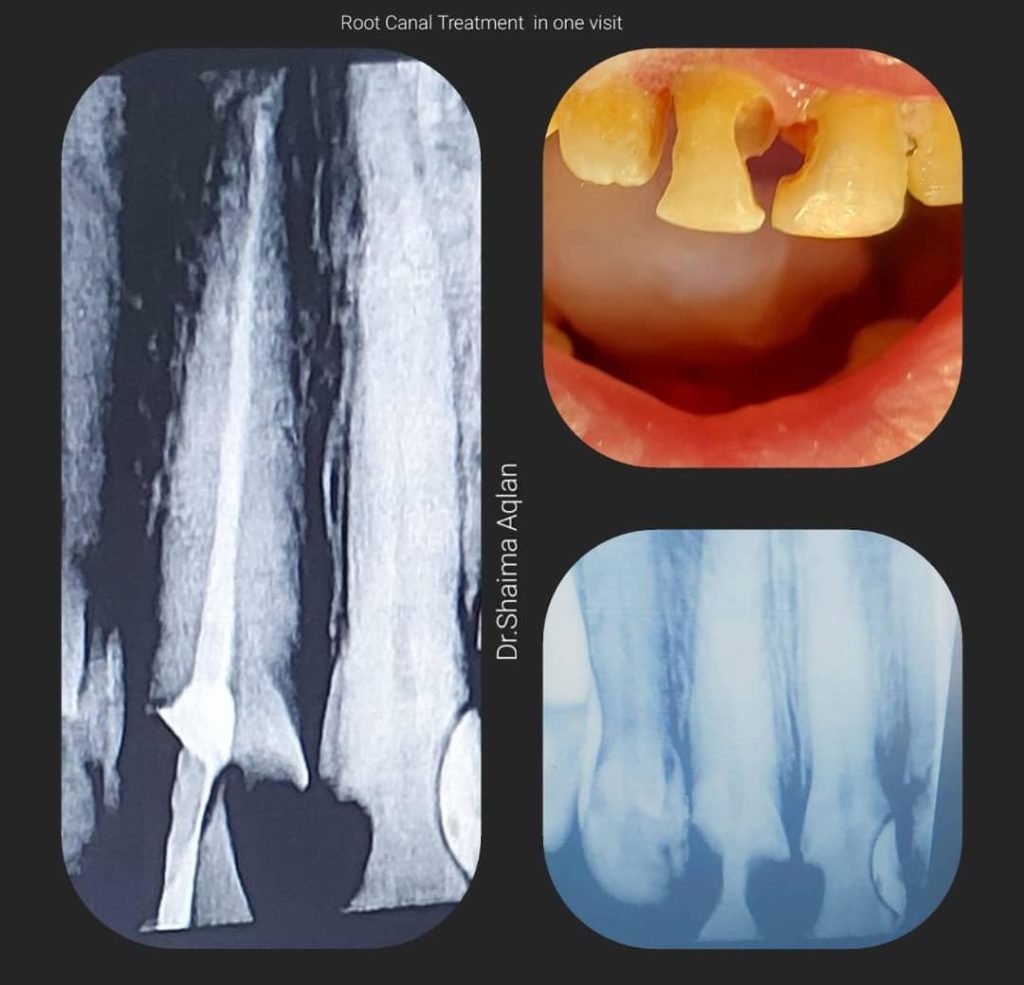
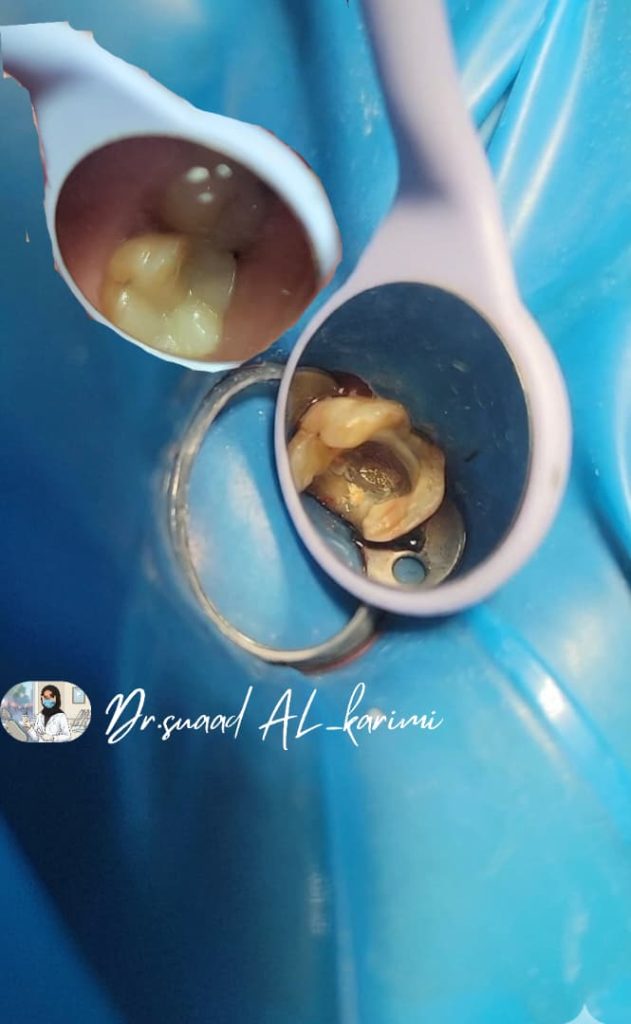
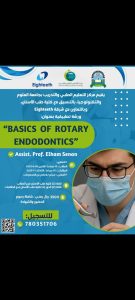
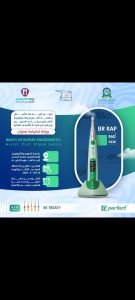
The program further covers rotary endodontics, which represents the modern gold standard in root canal treatment. Training focuses on the use of endodontic motors and nickel-titanium rotary instruments to achieve efficient canal cleaning and shaping, radiographic assessment of canal complexity, and management of previously failed cases. Learning outcomes include motor operation and settings, glide path preparation, effective irrigation techniques, and avoidance of common procedural errors.
In addition, training in cone beam computed tomography (CBCT) is offered as a major advancement in three-dimensional dental imaging. Participants are trained to interpret cross-sectional images, identify vital anatomical structures, and apply CBCT in implant planning, assessment of maxillofacial pain, and evaluation of impacted teeth. Learning outcomes include bone density and height assessment, anatomical measurements, integration with surgical planning software, and identification of three-dimensional pathologies.
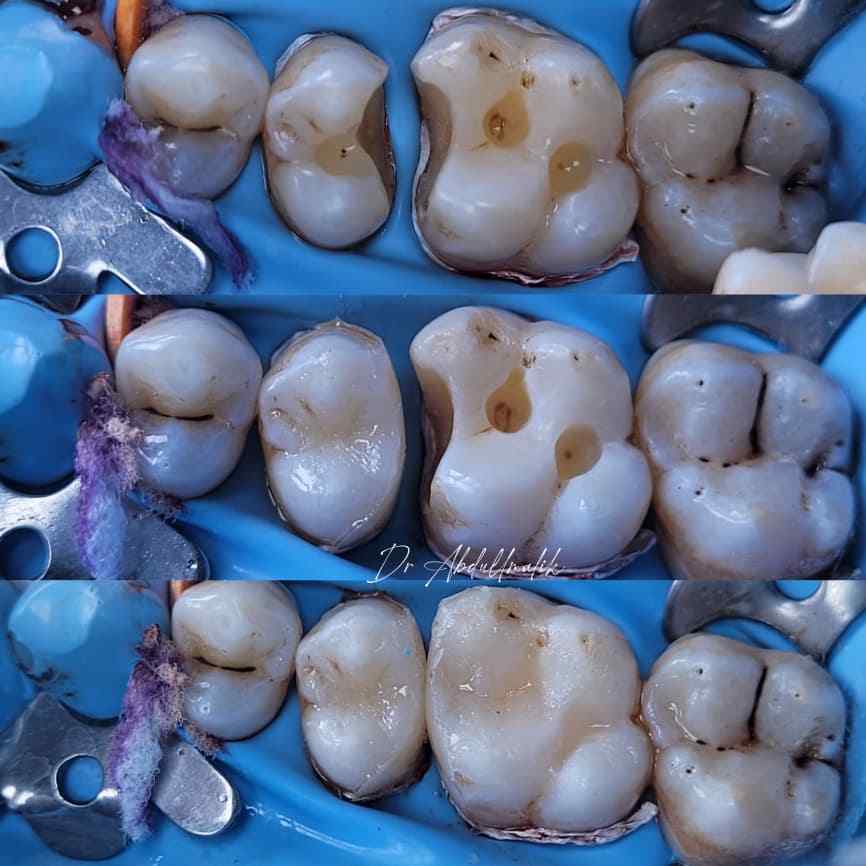
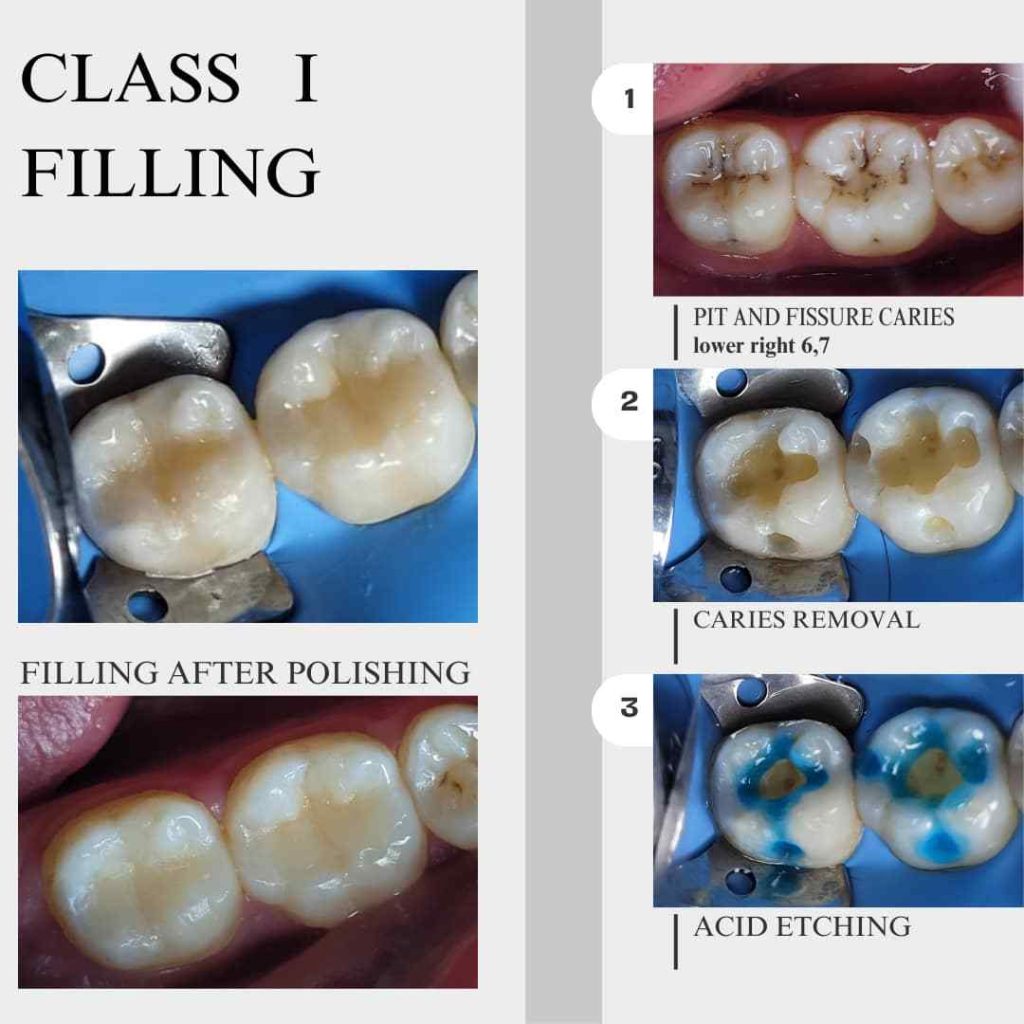
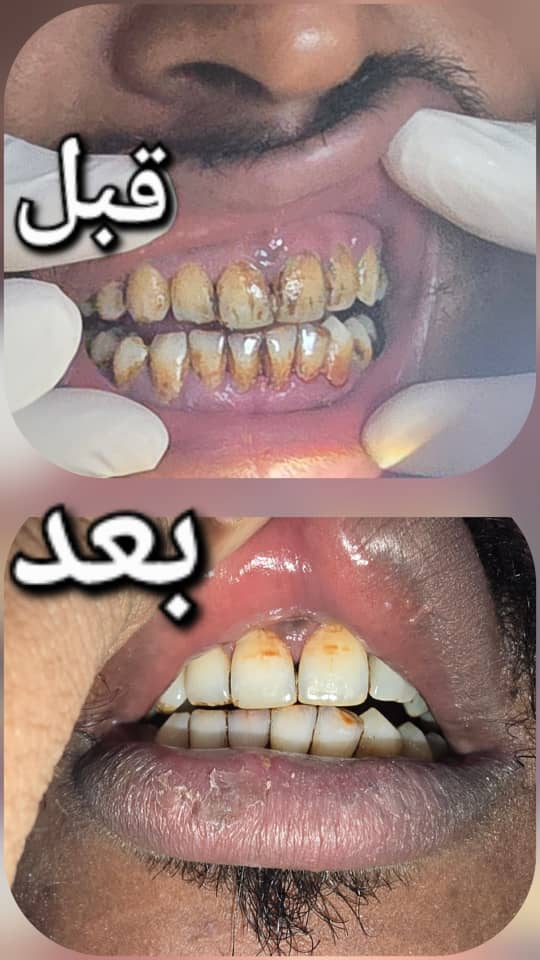
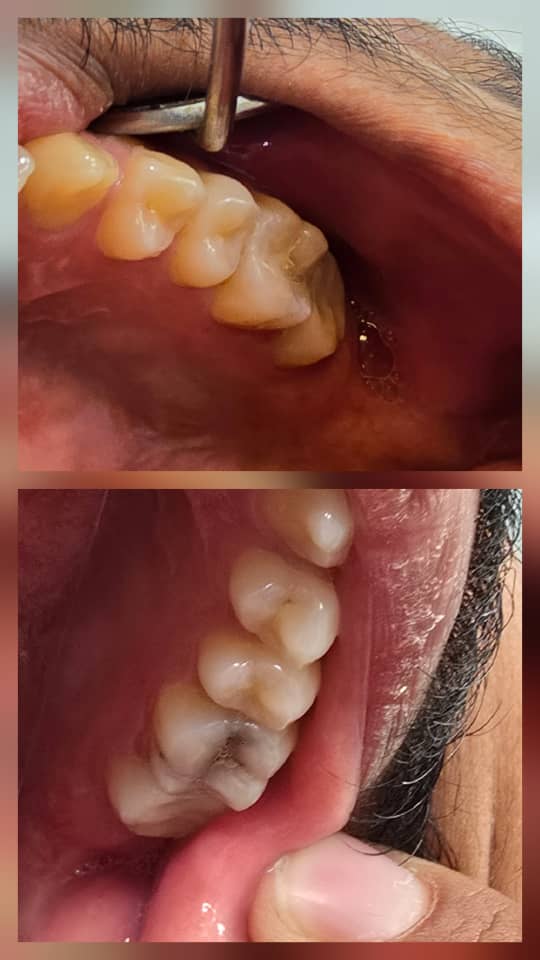
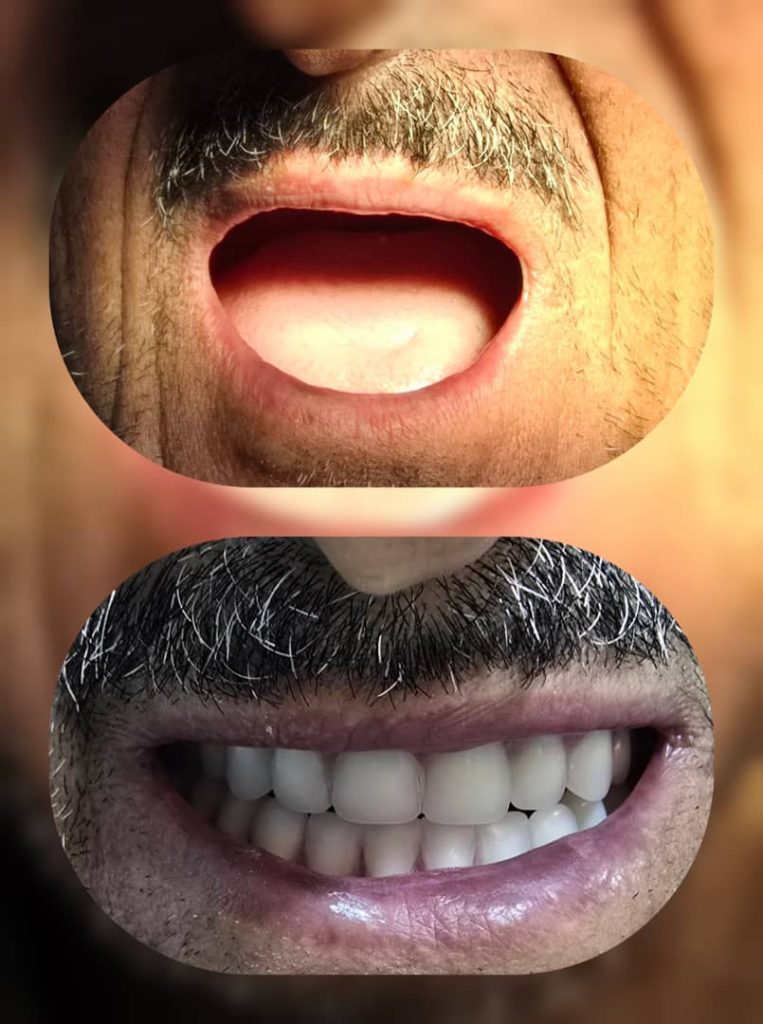
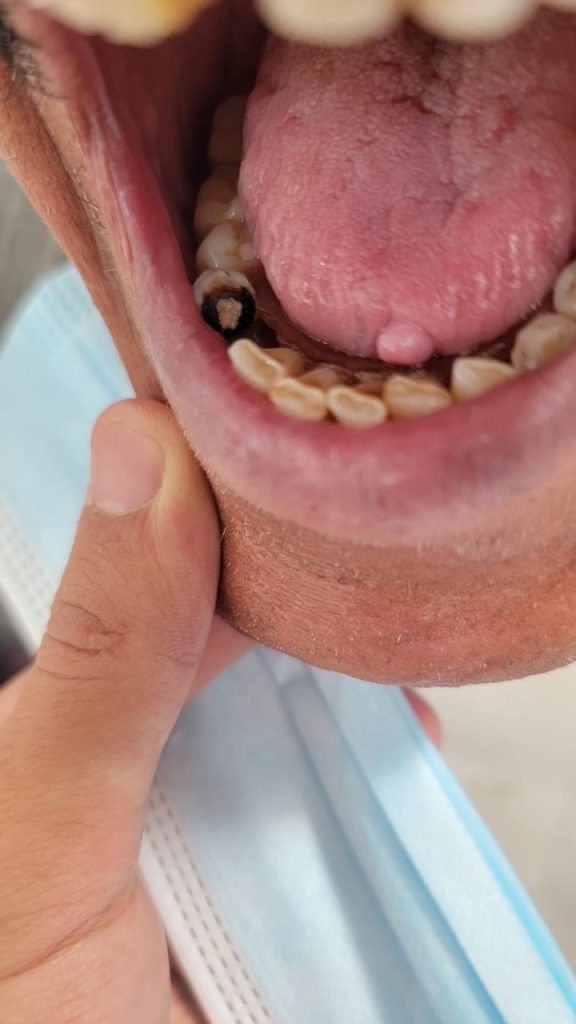
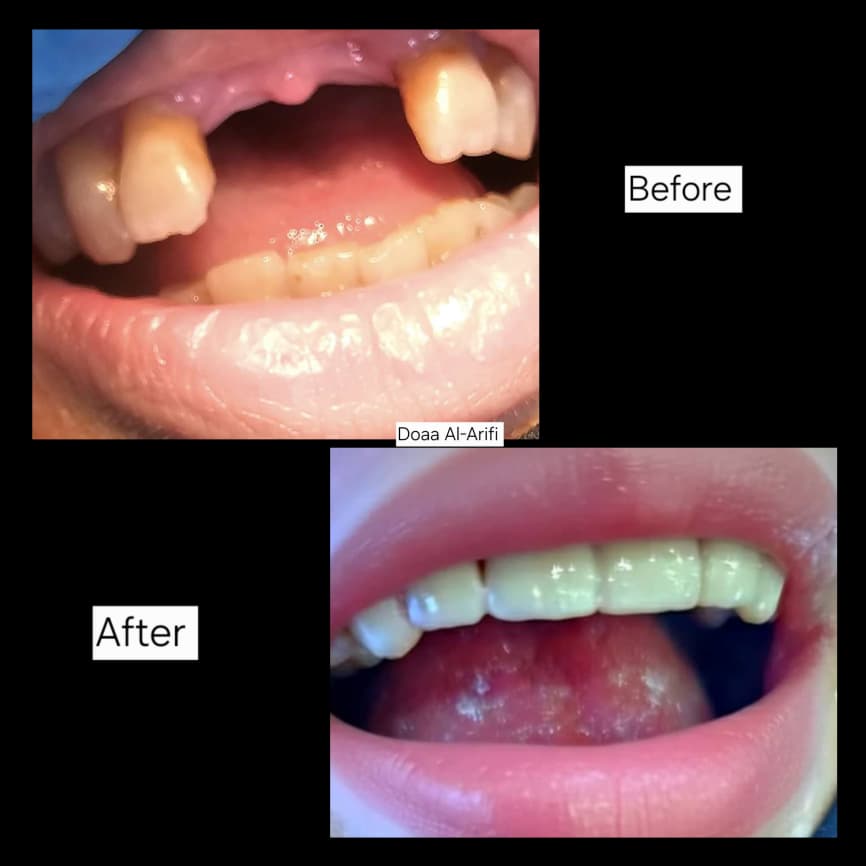
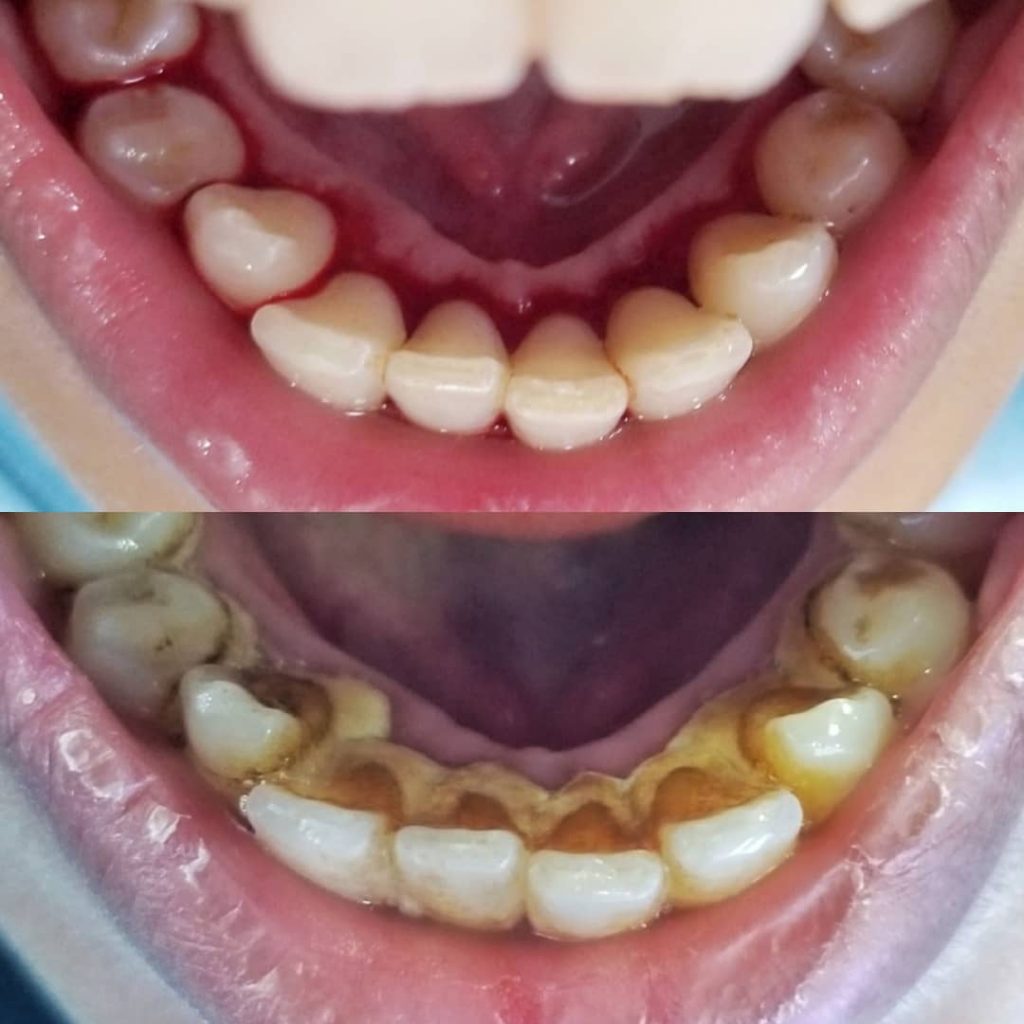
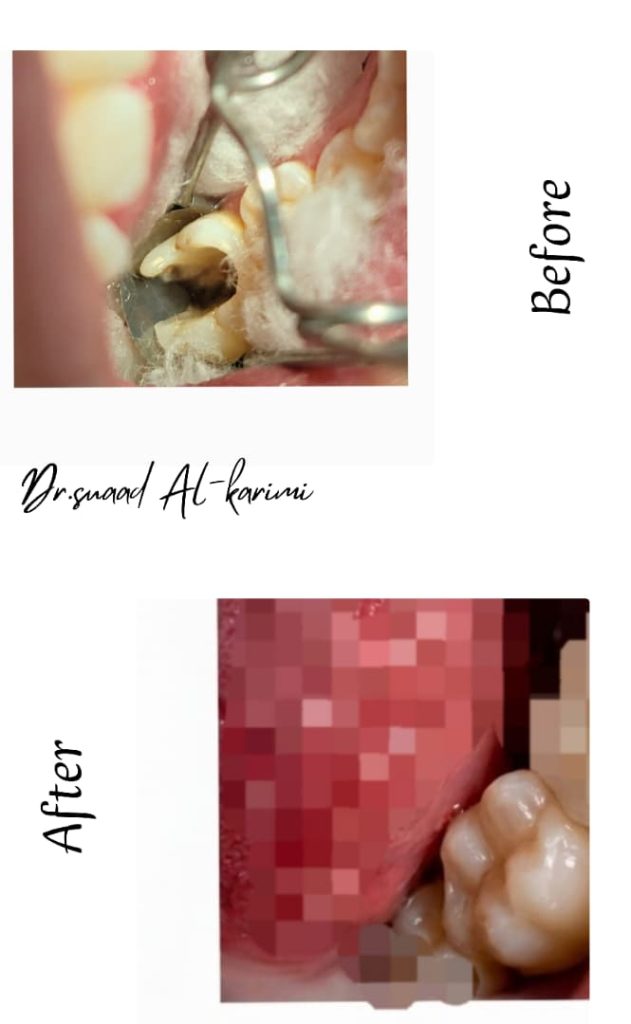
The program also includes training in the basics of dental photography, which is an essential tool for documentation, diagnosis, and treatment planning. The training focuses on intraoral and extraoral photography, DSLR camera settings, standardized photographic protocols, and proper use of accessories. Learning outcomes include producing high-quality clinical images, documenting cases before and after treatment, and organizing digital archives in compliance with patient confidentiality standards.

1. Flap and Suturing

Academic Description:
Surgical flap design and suturing techniques are considered core competencies in oral surgery. This training program focuses on understanding the different types of gingival flaps (full-thickness versus partial-thickness) and the principles of surgical flap design to preserve blood supply and ensure adequate visibility during tooth extraction and dental implant procedures. The program also covers various types of surgical sutures (such as nylon, silk, and PGA), surgical knot techniques (square knot and surgeon’s knot), and the selection of appropriate surgical needles for different tissues.
Learning Outcomes:
– Design and elevate an appropriate gingival flap in accordance with surgical principles.
– Apply different suturing techniques (interrupted, continuous, and mattress sutures).
– Distinguish between types of surgical sutures and select the most suitable option for each clinical case.
– Demonstrate proficiency in handling delicate surgical instruments (needle holder and tissue forceps).

2. Composite Veneer
Academic Description:
The preparation and placement of composite veneers represent a conservative and highly esthetic solution for managing minor dental defects such as discoloration, small diastemas, and minor fractures. This training focuses on esthetic dentistry applications using nano-hybrid composite resins. Participants are introduced to the principles of shade selection, layering techniques, and methods for simulating the optical properties of natural teeth.
Learning Outcomes:
– Diagnose cases suitable for composite veneers in comparison with ceramic veneers.
– Master surface preparation techniques (etching and bonding) to ensure optimal retention.
– Apply multi-layer shaping and finishing techniques.
– Perform final polishing procedures to achieve natural luster and resistance to staining.

3. Laser in Periodontics
Academic Description:
Laser technology has revolutionized the field of periodontics by providing less invasive and less painful alternatives to conventional surgical procedures. This training introduces the fundamentals of laser physics (diode and Er:YAG lasers) and their interaction with periodontal tissues. The content focuses on the clinical use of lasers in deep periodontal pocket disinfection, removal of granulation tissue, and non-surgical periodontal therapy (LANAP).
Learning Outcomes:
– Differentiate between laser devices suitable for hard and soft oral tissues.
– Apply safe laser protocols in the management of periodontal patients.
– Perform laser-assisted gingivectomy and frenectomy procedures.
– Analyze the effects of laser use on wound healing and the reduction of postoperative complications.

4. Rotary Endodontics
Academic Description:
Rotary endodontic systems represent the modern gold standard in root canal therapy. This training focuses on the use of endodontic motors and nickel-titanium (Ni-Ti) rotary instruments to shape and clean root canals more efficiently and effectively than manual instruments. Participants are trained to assess canal complexity using radiographic imaging and to manage previously failed endodontic cases.
Learning Outcomes:
– Operate endodontic motors and adjust torque and speed settings appropriately.
– Establish a safe glide path prior to the use of rotary files.
– Implement effective irrigation activation techniques to enhance canal disinfection.
– Avoid common procedural errors such as transportation, ledging, and instrument separation.

5. CBCT (Cone Beam Computed Tomography)
Academic Description:
Cone Beam Computed Tomography (CBCT) represents a major advancement in three-dimensional dental imaging. This training aims to equip participants with the knowledge required to interpret cross-sectional images and identify critical anatomical relationships, such as the inferior alveolar canal and the maxillary sinus. The content emphasizes clinical applications in dental implant planning, evaluation of maxillofacial pain, and analysis of impacted teeth.
Learning Outcomes:
– Interpret CBCT images to assess bone density and height.
– Measure distances between root apices and vital neural structures.
– Integrate CBCT data with surgical planning software (such as SimPlant).
– Identify and differentiate three-dimensional pathologies, including cysts, tumors, and fractures.

6. Basic Dental Photography
Academic Description:
Dental photography is an essential tool for scientific documentation, diagnosis, and treatment planning. This training focuses on the principles of professional intraoral and extraoral photography. Participants are introduced to basic DSLR camera settings, including lenses, ring flash, aperture, and shutter speed, as well as standardized protocols for capturing comparable clinical images.
Learning Outcomes:
– Adjust camera settings to produce clear and high-quality images.
– Capture standardized photographic views, including frontal and lateral extraoral images and intraoral images using retractors.
– Document clinical cases such as bleaching, veneers, and dental implants before and after treatment.
– Organize and maintain digital patient archives in compliance with confidentiality and privacy standards.