

 العربية
 To be one of the leading electronics engineering departments locally and distinguished regionally.
- Provide students with knowledge, skills, and ethics related to electronic engineering specializations.
- Conduct research and studies of scientific value that have an applied nature in electronic engineering disciplines.
- Prepare qualified engineers who can apply engineering sciences and methods in the labor market, and make decisions and deal with crises.
- Develop curricula, and scientific and practical requirements periodically to ensure following rapid changes and in harmony with the labor market requirements.
- Exchange scientific and training experiences with similar institutions, organizations, and centers.
- Implement mechanisms that ensure the quality of the educational process to obtain accreditation for the academic programs offered by the department.
- Develop the academic and professional skills of the academic staff.
- Provide technical and scientific consultations to all governmental and private sectors of society.
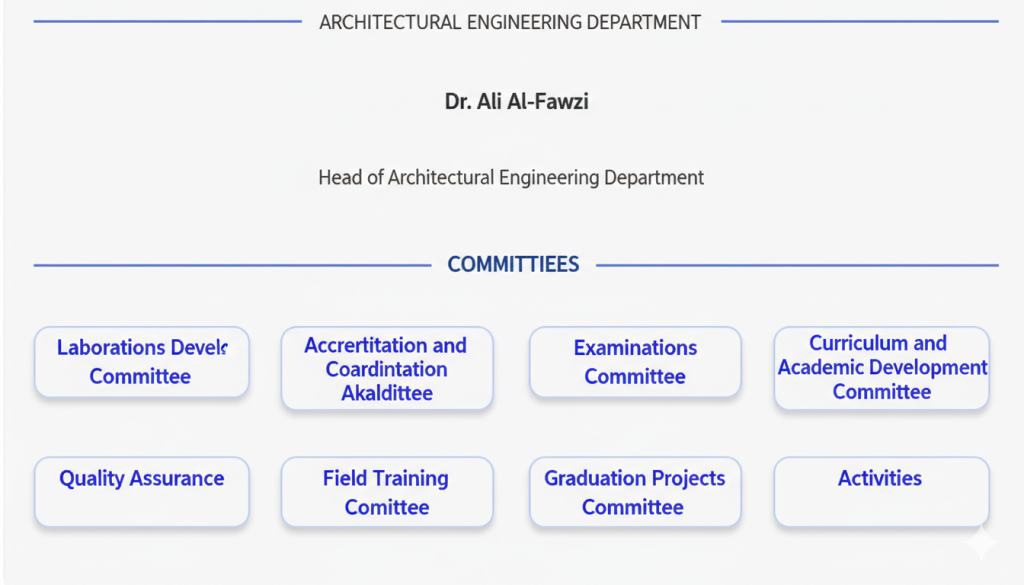

Academic Programs

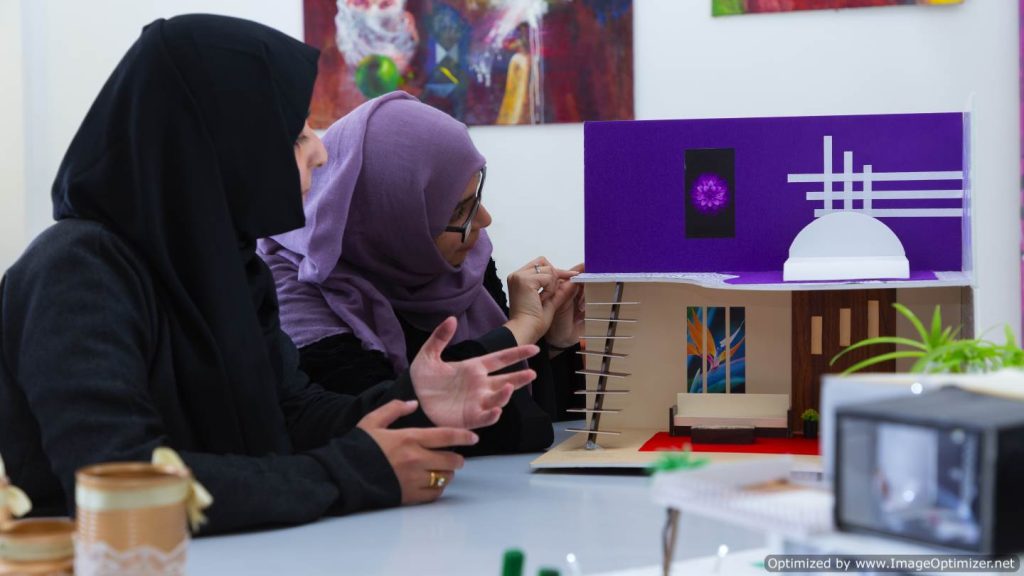
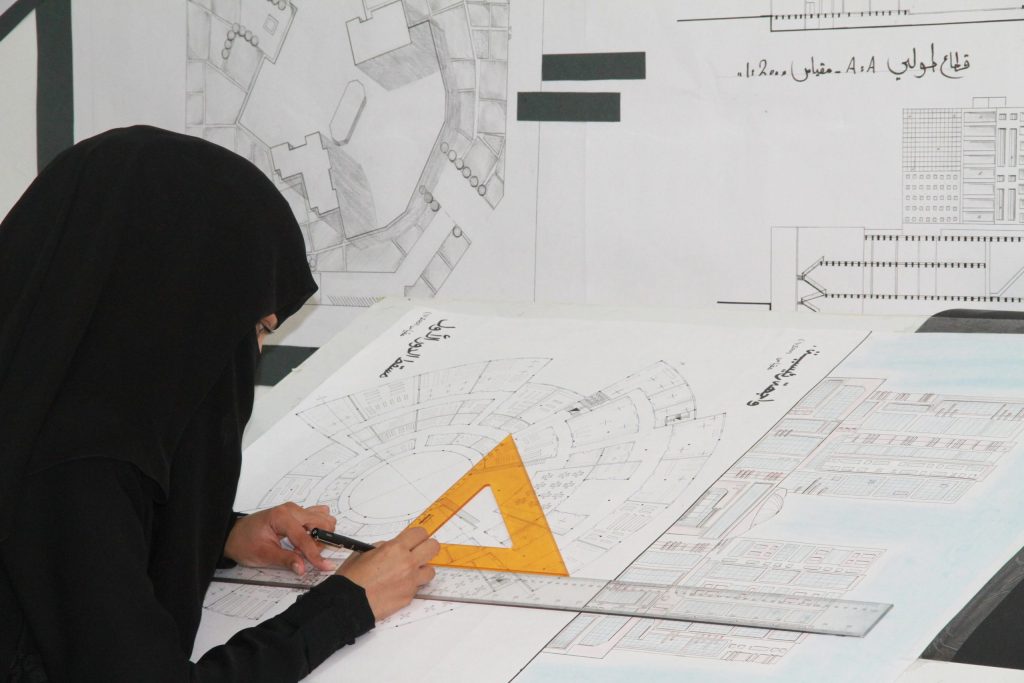
Scientific research
- The process of building design and the study of users’ behavioral impacts.
- Building materials and architectural construction techniques, including digital, environmental, and sustainable architecture.
- The study, analysis, evaluation, and documentation of distinguished historical buildings and landmarks.
- Analysis of architectural design aspects of ancient and contemporary buildings in terms of structural, functional, and aesthetic dimensions, and benefiting from them in a way that preserves our identity and cultural heritage.
- Ancient and contemporary architectural movements and schools, and the development of ideas, theories, and intellectual concepts.
- Architectural education strategies and curriculum development across the various specializations of the program.
- Housing planning, policy studies, and residential area planning.
- Design and coordination of open outdoor spaces and improving the utilization and development of open areas.
- Urban planning and the study of current and future urban expansions.
- Study and analysis of old city master plans, evaluation of their condition, and preservation of historic cities.
- Studies of historical and modern urban design and planning of cities.
Facilities and Learning Environment
The department provides an integrated learning environment and flexible infrastructure designed according to high academic standards to meet the theoretical and practical requirements of the Architecture Engineering and Interior Design Engineering programs. The architectural spaces and technical facilities are organized and equipped to provide an interactive and independent environment that supports students’ skills and keeps pace with developments in engineering education through the following systems:
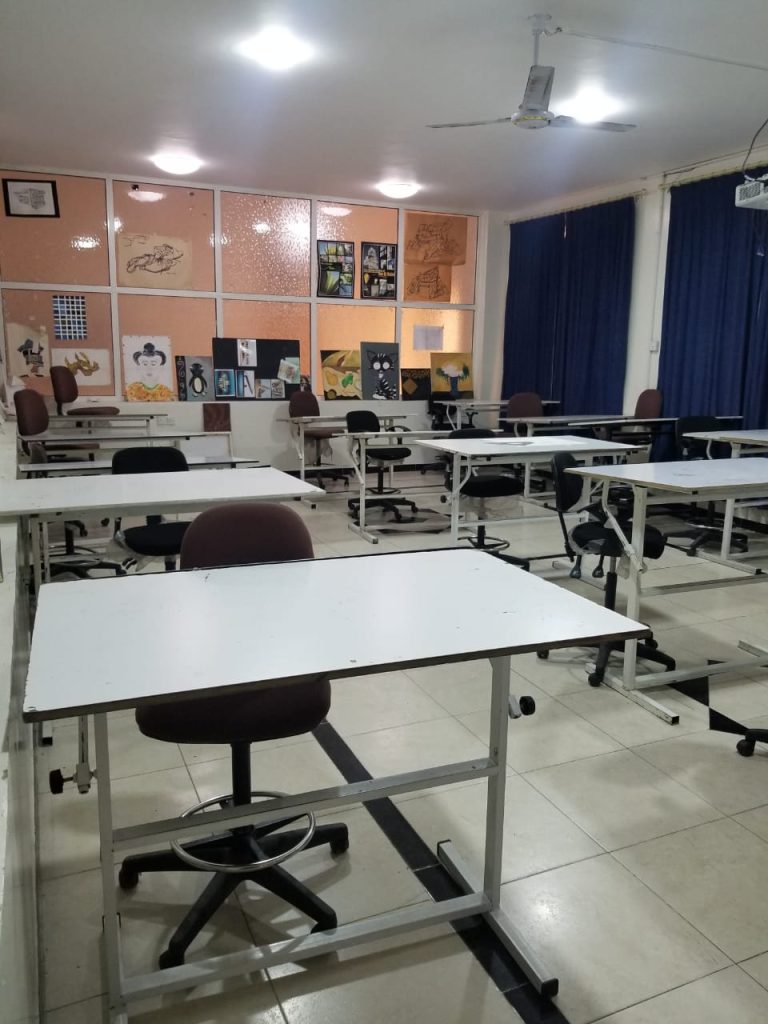
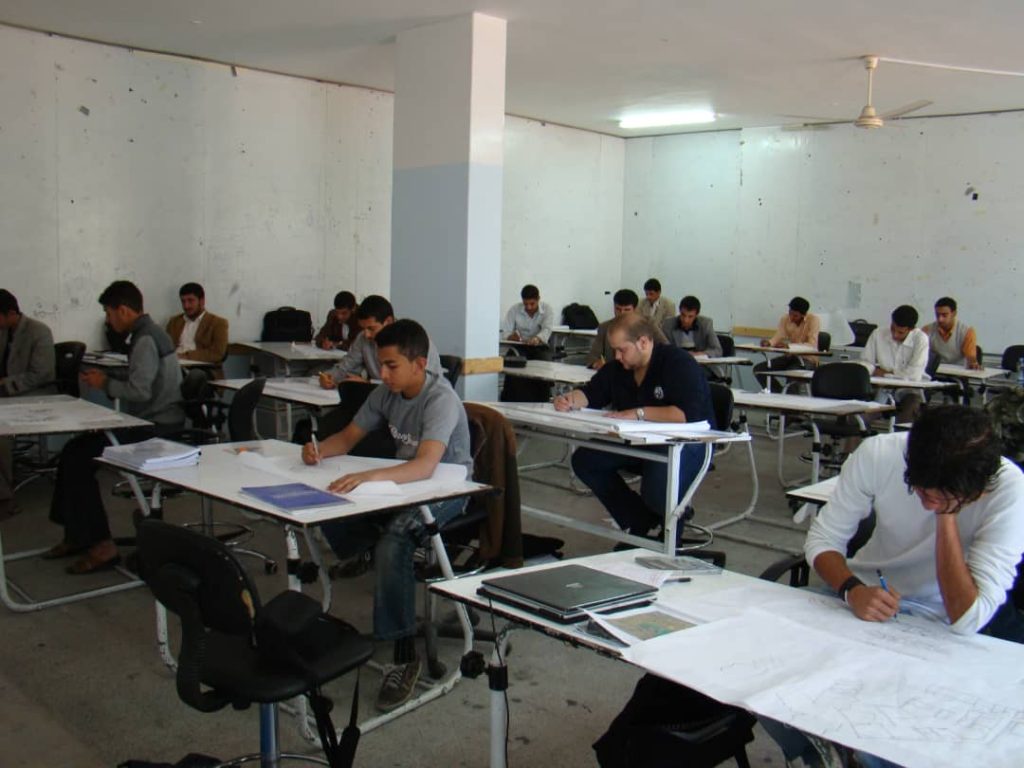
1. Classrooms and Engineering Studios
The department includes four fully equipped classrooms designed as specialized engineering studios to support students’ practical and skills-based learning.
- Specialized furniture: Standard engineering drawing tables, suitable seating, and dedicated cabinets for storing and documenting students’ projects and coursework.
- Technical equipment: Each classroom is equipped with an integrated digital presentation system, including a computer and advanced display screen, to support teaching, explanation, and presentation of academic content.
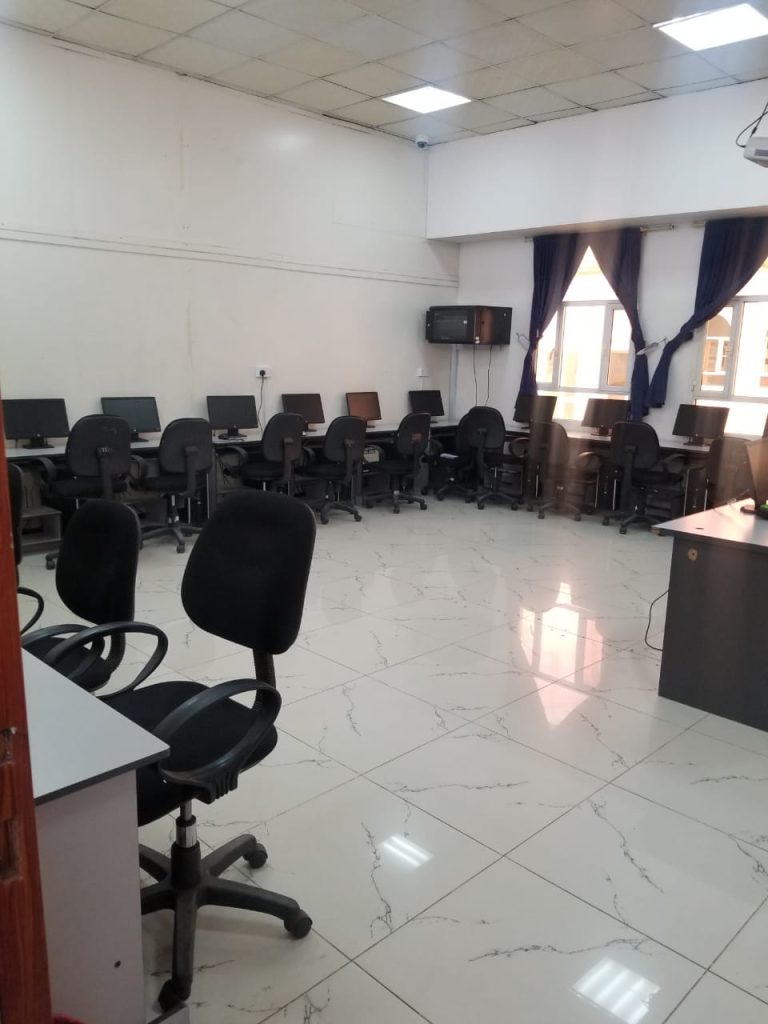
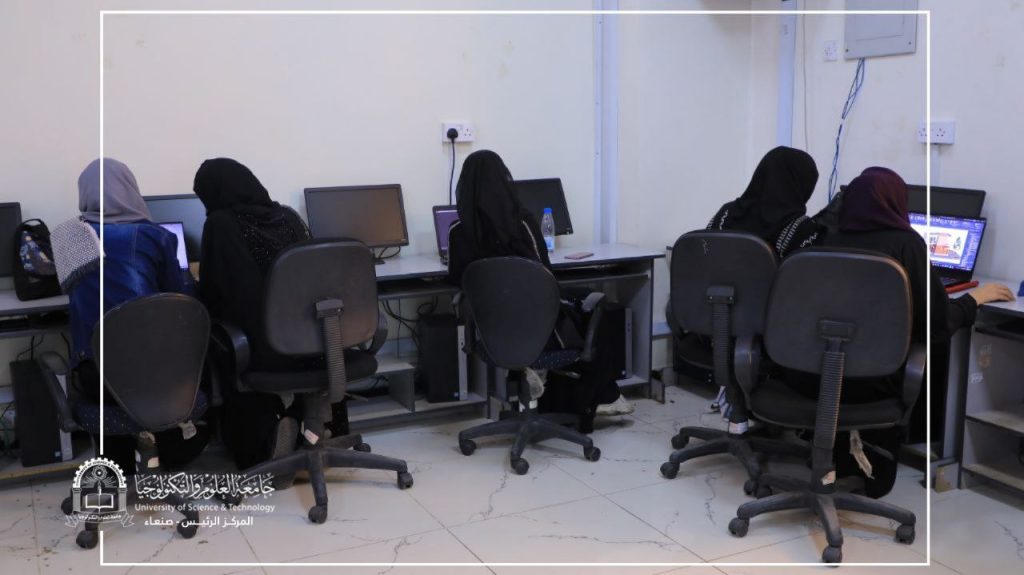
2. Specialized Computer Laboratories
The department has three fully equipped computer laboratories with complete independence, ensuring privacy and smooth scheduling for male and female students.
- First laboratory: An independent laboratory dedicated to male Architecture Engineering students.
- Second laboratory: An independent laboratory dedicated to female Architecture Engineering students.
- Third laboratory: An independent laboratory dedicated to female Interior Design Engineering students.
- Software preparation: All laboratories are equipped with high-quality technologies and the latest internationally recognized engineering software and digital applications in architecture and interior design, meeting program accreditation requirements for both specializations.
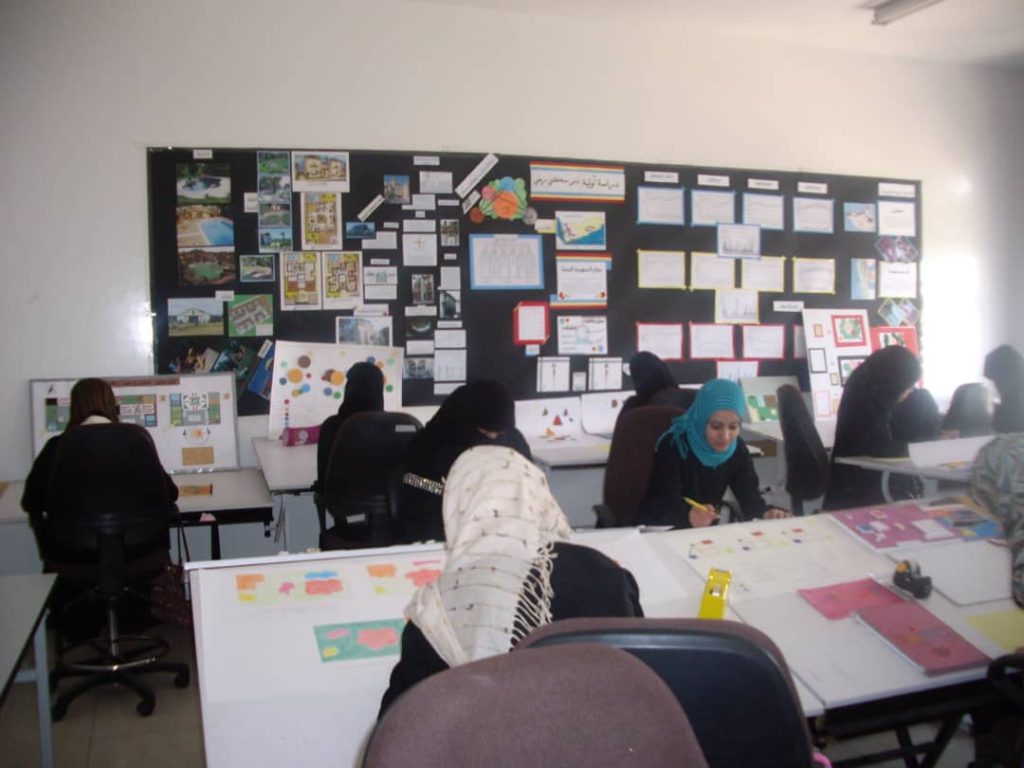
3. Design Studios
The department includes flexible and interactive design studios dedicated to female students in the Architecture Engineering and Interior Design Engineering programs. These studios are designed to support applied and practical courses.
- Learning spaces: Dedicated and equipped studios for teaching architectural and interior design courses, as well as courses that rely on drawing tables to develop creative and design skills.
- Visual technical support: All studios are equipped with modern projectors and multimedia systems to ensure effective presentations and high-quality discussion of students’ projects.
| Research Title & Publication Source | Authors | Year |
|---|---|---|
| Identify the Expressive Components of the Urban Landscape between the Experience of Virtual Environments and the Traditional Way: A Study of the Status of the Capital Sana’a | 2018 | |
| Influences of Earned Value Management on Construction Project’s performance in Yemen | 2020 | |
| 3D Modeling Techniques and Their Use in Digitally Preserving the Urban Plans of the Historic City of Shibam, Hadramout | 2023 | |
| Straw and Mud Dwellings in Tihama, Yemen | 2022 | |
| The Shelf as a Functional and Aesthetic Element in Yemeni Architecture | 2021 | |
| Architecture and Interior Design of Heritage Houses in the City of Mocha | 2021 | |
| Mashrabiyas and Protruding Windows in Yemeni Architecture | 2020 | |
| Yemeni Heritage Furniture: An Analytical Study | 2016 | |
| Inspiration of Yemeni Heritage Architecture in Contemporary Interior Design: Al-Saleh Mosque as a Model | 2016 |