
 العربية
 Master's Program in Clinical Nutrition
The Master’s Program in Therapeutic Nutrition, offered by the College of Medicine and Health Sciences at the University of Science and Technology (UST), alongside a number of other medical and health programs, aims to prepare highly competent postgraduate graduates who are advancedly qualified as professional specialists in clinical nutrition and dietetics, and capable of improving the nutritional and health status of the community.
The curriculum of the Master’s Program in Therapeutic Nutrition, which extends over two years, has been designed to support students’ learning activities in a manner that ensures the acquisition of essential knowledge and the development of required competencies through the integration of theoretical knowledge with supervised practical training. The program was established in 2021 as the first of its kind in the Republic of Yemen to offer a Master’s degree in Therapeutic Nutrition.
The program comprises 44 credit hours distributed across the program levels. It includes a newly introduced applied clinical training course conducted in a hospital setting, with the aim of providing students with direct exposure to a wide variety of clinical cases and real-life experiences in managing therapeutic diets for patients. This ensures that graduates acquire both the theoretical knowledge and the essential practical competencies required for effective professional practice in the field of clinical nutrition, in addition to the preparation of a scientific thesis.
In addition, one course worth 3 credit hours has been included ضمن the university requirements, bringing the total number of credit hours to 44.
In the most recent review, several enhancements were introduced to improve the quality and comprehensiveness of the program. These included the addition of remedial requirements consisting of four courses totaling 13 credit hours, intended to accommodate graduates of related disciplines other than clinical nutrition, such as Food Science, Environmental Sciences, Health Sciences, and Basic Medical Sciences. This measure aims to broaden admission eligibility and attract candidates from diverse academic backgrounds. Accordingly, admission requirements were revised to align with the updated curriculum.
This program is one of our latest flagship programs, established in 2023, has been designed in response to the evolving needs of modern healthcare. The program is currently preparing its first cohort of experts, reflecting the University’s commitment to innovation and excellence in specialized healthcare education.
The Master’s Program in Therapeutic Nutrition seeks to graduate highly competent specialists and researchers equipped with advanced scientific and research skills that meet labor market needs. Graduates of the program are committed to professional ethics, possess the ability for lifelong learning, and contribute effectively to improving the nutritional and health status of the community and addressing its challenges. This is achieved through a modern academic approach, a distinguished faculty, and well-equipped training infrastructure, in accordance with quality assurance and academic accreditation standards.
- To supply the community with highly competent nutrition specialists who possess advanced professional competencies and specialized practical skills.
- To contribute to the development and improvement of nutrition and healthcare services provided to the community.
- To graduate researchers capable of diagnosing and analyzing nutritional problems within the community and proposing scientifically grounded solutions.
- To create opportunities for outstanding graduates to pursue further postgraduate studies and advanced specialization in the field of clinical nutrition.
- To strengthen cooperation with relevant local institutions and accredited academic bodies.
- To graduate professionals capable of leading and managing nutrition programs and projects with efficiency and professionalism.
A. Knowledge and Understanding
The student will be able to:
A.1 Demonstrate a comprehensive understanding of advanced knowledge in the field of therapeutic nutrition.
A.2 Identify scientific research methodologies and tools in the field of therapeutic nutrition.
A.3 Explain issues related to the principles of scientific research and data analysis.
B. Cognitive / Intellectual Skills
The student will be able to:
B.1 Analyze information related to nutritional problems.
B.2 Identify solutions to nutrition-related problems.
B.3 Develop appropriate dietary solutions for health-related conditions.
B.4 Design nutritional intervention programs based on the assessment of the nutritional status of individuals and communities.
C. Practical and Professional Skills
The student will be able to:
C.1 Apply theoretical knowledge of clinical nutrition in practical settings.
C.2 Utilize advanced surveys, measurements, and analytical methods.
C.3 Conduct scientific research relevant to clinical nutrition and apply its findings in practice.
C.4 Provide individuals and communities with health and nutrition education and dietary counseling.
D. General and Transferable Skills
The student will be able to:
D.1 Communicate effectively and work efficiently within a team.
D.2 Utilize modern technologies for personal and professional development.
Upon completion of the program, graduates will possess the following professional attributes and career profiles:
-
Academic Researcher: Ability to work in academic research environments, with proficiency in applying the fundamentals and methodologies of scientific research in clinical nutrition and effectively utilizing its various tools.
-
Nutrition Informatics Specialist: A distinguished professional role that integrates expertise in clinical nutrition with data management, technology, and healthcare information systems.
-
Therapeutic Nutrition Specialist: Employment in hospitals and clinics to provide medical nutrition therapy for patients with chronic diseases such as diabetes, kidney disease, and cancer.
-
Community Nutrition Specialist: Design and implementation of public health nutrition programs in community health centers, non-governmental organizations, or governmental bodies.
-
Health and Wellness Consultant: Provision of personalized nutritional counseling through private clinics, fitness centers, or wellness clinics.
-
Public Health Nutrition Leader: Work within ministries of health, the World Health Organization (WHO), or UNICEF in the areas of national nutrition policies, food security, and the prevention of malnutrition.
-
Corporate Nutrition Consultant: Collaboration with food and pharmaceutical companies in product development, marketing, or health promotion initiatives.
-
Academic Instructor or Lecturer: Teaching future nutrition professionals and contributing to curriculum development in universities and colleges.
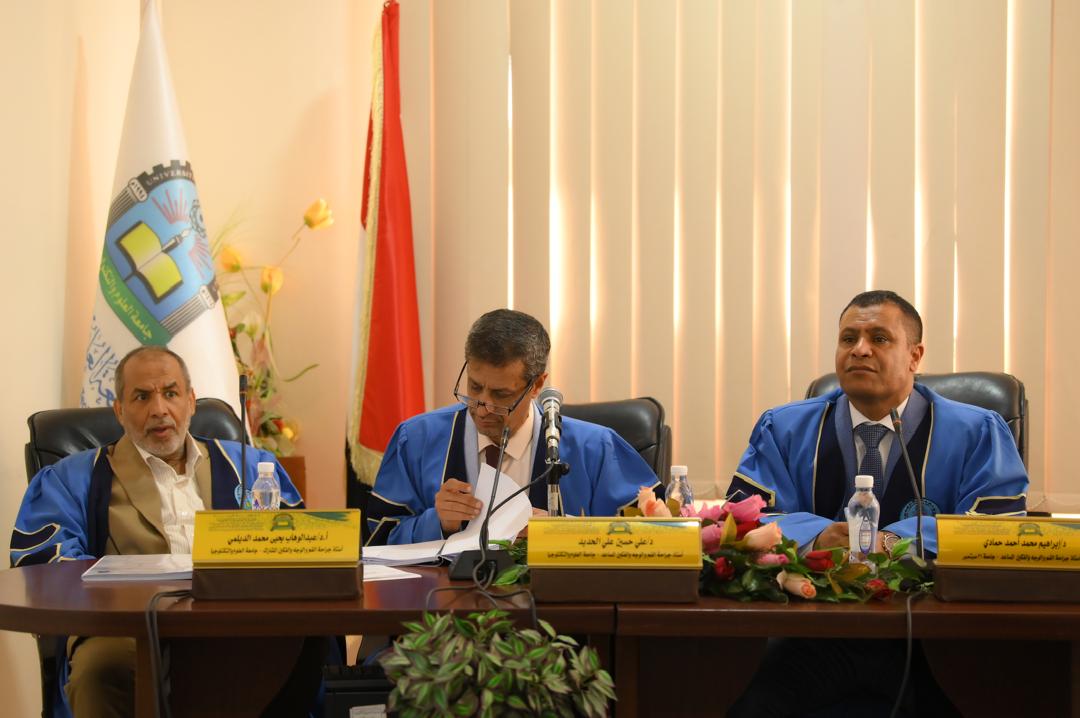
Degree Award Requirements:
- Successful completion of all courses included in the approved study plan.
- Successful defense of the Master’s thesis.
- Submission of the required bound copies of the research thesis.
- Passing the English language proficiency examination.
- Completion of all degree-awarding procedures through the Graduate Studies Committee, the Graduate Studies Council, and the University Council.
- Advanced Clinical Nutrition.
- Nutritional Assessment and Biochemical Analysis.
- Public Health and Community Nutrition.
- Nutritional Metabolism in Health and Disease.
- Medical Nutrition Therapy (MNT).
- Biostatistics and Data Analysis.
- Research Methodology.
- Nutrition Counseling and Education.
- Weight Management and Obesity.
- Nutrition for Children and the Elderly.
- Academic Researcher
- Nutrition Informatics Specialist
- Clinical Dietitian (Therapeutic Nutrition Specialist)
- Community Nutrition Specialist
- Health and Wellness Consultant
- Public Health Nutrition Specialist
- Corporate Nutrition Consultant
- Academic Instructor or Lecturer